One minute, your child is happily playing.
The next, they’re screaming because you cut their sandwich the “wrong” way.
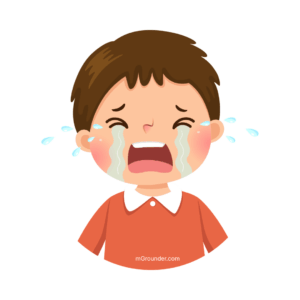
Or they’re crying uncontrollably because it’s time to leave the park.
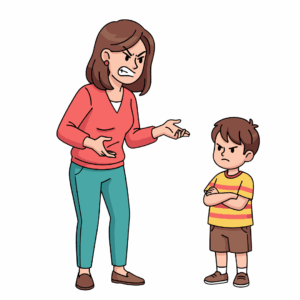
Or they’re kicking, yelling, and refusing to listen.
In those moments, it’s easy to think your child is being difficult.
But often, something very different is happening.
They’re dysregulated.
When children become emotionally dysregulated, their brains are overwhelmed. They lose access to the skills that help them think clearly, solve problems, and manage big emotions.
That means they don’t need harsher consequences.
They need your help finding their way back to calm.
Here’s what actually works when your child is emotionally overwhelmed.
What Does It Mean for a Child to Be Dysregulated?
A dysregulated child isn’t choosing chaos.
They’re struggling to regulate their emotions, thoughts, or body.
This can happen because they’re tired, hungry, overstimulated, frustrated, anxious, disappointed, or simply overwhelmed by feelings they don’t yet know how to manage.
Children’s self-regulation skills develop gradually over many years.
Until then, they rely on the calm, steady presence of trusted adults to help them regain control.
That’s why your response matters so much.
Why Punishment Usually Makes It Worse
When children are dysregulated, they’re operating from emotion rather than logic.
Trying to lecture, argue, or punish them in that moment often backfires.
Imagine trying to solve a difficult math problem while someone is shouting at you.
That’s similar to what a dysregulated child experiences.
Instead of learning from the moment, their brain becomes even more focused on survival.
The goal isn’t to ignore inappropriate behavior.
It’s to help your child become calm enough to learn from it later.
1. Regulate Yourself First
Children naturally look to adults for cues about whether they’re safe.
If you respond with yelling, panic, or anger, your child’s nervous system often becomes even more activated.
Before responding, pause.
Take one slow breath.
Lower your voice.
Relax your shoulders.
Your calm doesn’t instantly calm your child—but it gives them something steady to borrow.
Instead of saying:
“Calm down right now!”
Try:
“I’m here with you. We’ll get through this together.”
Children learn emotional regulation by experiencing it.
2. Focus on Safety Before Solutions
When emotions are running high, your first job isn’t teaching a lesson.
It’s creating safety.
If your child is throwing toys, gently move dangerous objects away.
If they’re hitting, calmly block the behavior while staying as composed as possible.
You might say:
“I won’t let you hurt me. I’m staying with you until you’re safe.”
Notice that this sets a firm boundary without shaming your child.
Safety always comes before problem-solving.
3. Name What You See
Young children often don’t have the words to describe what’s happening inside them.
You can help by putting their experience into simple language.
For example:
“You’re really disappointed that playtime is over.”
Or:
“That was frustrating, wasn’t it?”
Naming emotions doesn’t increase them.
It helps children understand and organize what they’re feeling.
Over time, they’ll begin using those words themselves.
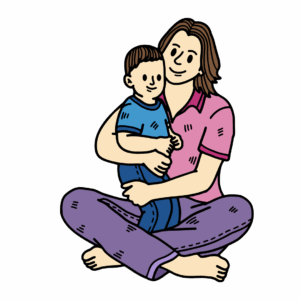
4. Offer Connection Instead of Control
When children feel emotionally overwhelmed, they often need connection more than correction.
That doesn’t mean giving in to every demand.
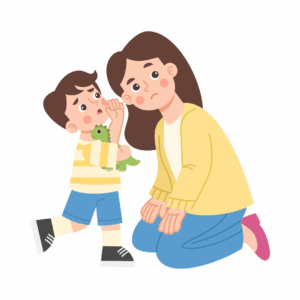
It means letting your child know they’re not facing their feelings alone.
Some children want a hug.
Others need space while knowing you’re nearby.
You could say:
“I’ll stay right here until you’re ready.”
Your calm presence communicates something powerful:
“You don’t have to handle this by yourself.”
5. Use Fewer Words
Many parents start explaining, reasoning, or asking questions during a meltdown.
But when a child is dysregulated, they’re often unable to process long conversations.
Keep your words short and reassuring.
Instead of:
“I told you we were leaving five minutes ago. You need to listen because we have to get home before dinner.”
Try:
“I know you’re upset. I’m here.”
Simple language is easier for overwhelmed brains to understand.
6. Help Their Body Calm Down
Emotions don’t only happen in the mind.
They happen in the body.
Some children benefit from physical strategies that help their nervous system settle.
Depending on your child’s preferences, you might encourage them to:
- Take slow balloon breaths.
- Hug a pillow.
- Push against a wall.
- Sip water.
- Wrap up in a cozy blanket.
- Sit quietly beside you.
The goal isn’t forcing a calming strategy.
It’s helping your child discover what works for them.
7. Don’t Rush the Recovery
One of the biggest mistakes parents make is expecting children to bounce back immediately.
Even after crying stops, the nervous system may still be recovering.
Give your child time.
Sit together.
Read a book.
Color.
Take a short walk.
Connection after a difficult moment helps children feel emotionally safe again.
Recovery is part of regulation.
8. Talk About It Later
The best teaching happens after emotions settle.
When your child is calm, revisit what happened with curiosity rather than criticism.
You might ask:
“What do you think made that feel so hard?”
Or:
“What could we try next time when those big feelings show up?”
These conversations build self-awareness instead of shame.
Children become better at managing emotions when they understand them.
9. Watch for Patterns
Meltdowns often seem random.
But many follow predictable patterns.
Ask yourself:
- Was my child hungry?
- Were they tired?
- Was the environment too loud or busy?
- Had they experienced lots of transitions today?
- Were they overwhelmed by expectations?
Looking for patterns isn’t about making excuses.
It’s about preventing unnecessary struggles before they begin.
Sometimes small adjustments make a big difference.
10. Remember That Regulation Takes Years to Learn
Children aren’t born knowing how to manage disappointment, frustration, anger, or fear.
These skills develop through thousands of everyday experiences with caring adults.
Each time you respond with calm guidance instead of punishment, you’re teaching your child something valuable.
Not just how to calm down.
But how to understand their emotions, trust safe relationships, and recover from difficult moments.
That’s a skill they’ll use for the rest of their lives.
What Parents Often Need to Hear
When your child is dysregulated, it can feel personal.
You may wonder whether you’re doing something wrong.
But emotional outbursts are a normal part of development.
Your child’s meltdown isn’t proof that you’ve failed.
It’s an opportunity to practice the skills you’re hoping they’ll eventually learn for themselves.
You won’t respond perfectly every time.
No parent does.
The goal isn’t perfection.
It’s repair.
If you lose your patience, you can always come back later and say:
“I was feeling overwhelmed too. I’m sorry I raised my voice. Let’s try again together.”
Children learn just as much from repaired relationships as they do from peaceful moments.
Final Thoughts
Helping a dysregulated child isn’t about finding the perfect technique.
It’s about becoming a steady, safe presence when your child needs one most.
Your calm voice.
Your patient presence.
Your willingness to understand before correcting.
Those are the moments that teach children emotional regulation.
So the next time your child’s emotions feel bigger than the situation, remember this:
They’re not asking you to fix every feeling.
They’re asking you to help them feel safe enough to move through it.
And sometimes, the most powerful thing you can say is:
“I’m here. We’ll figure this out together.”