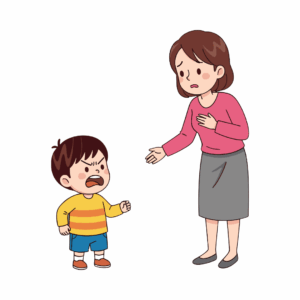
The noise starts before breakfast.
Someone is asking for milk.
Someone is crying.
A toy is playing the same song for the tenth time.
Your phone keeps buzzing.
Your toddler wants to be carried.
Your older child needs help.
And somehow, you’re supposed to remain calm through all of it.
If you sometimes feel like you need everyone to stop talking, stop touching you, and just give you five minutes of silence, you may be dealing with overstimulation.
And you’re not a bad mom for feeling that way.
Motherhood can involve constant noise, touch, questions, decisions, interruptions, and demands. When there is little opportunity to mentally reset, even small things can eventually feel unbearable.
The goal isn’t to become a mom who never gets overwhelmed.
It’s to recognize what’s happening earlier and have practical ways to bring yourself back down.
What Does Overstimulation Feel Like for a Mom?
Overstimulation can look different for everyone.
You might notice that:
- Every sound suddenly feels irritating.
- You desperately want everyone to stop talking.
- Your child’s normal questions feel impossible to tolerate.
- You feel touched out.
- You become unusually impatient.
- You want to escape to a quiet room.
- You feel anxious, tense, or restless.
- You have difficulty thinking clearly.
- Small problems suddenly feel enormous.
- You find yourself snapping at your children.
Sometimes the problem isn’t one particularly difficult event.
It’s twenty small things happening without a break.
1. Learn Your Personal Warning Signs
The earlier you notice overstimulation, the easier it can be to respond before you reach your breaking point.
Maybe you start clenching your jaw.
Maybe you become short with everyone.
Maybe you feel irritated by ordinary sounds.
Maybe you suddenly want to hide in the bathroom.
Pay attention to these signals.
Think of them as your body’s warning system saying:
“I need a pause.”
You don’t have to wait until you’re completely overwhelmed before doing something about it.
2. Stop Trying to Push Through Every Time
Many moms become experts at ignoring their own needs.
You’re tired, but you keep going.
You’re hungry, but you feed everyone else first.
You’re overwhelmed, but you tell yourself you’ll deal with it later.
You’re touched out, but you keep responding to every request.
Sometimes you genuinely have to keep going.
But constantly pushing through can make the eventual crash harder.
When possible, treat your need for a break as useful information rather than an inconvenience.
3. Create a Five-Minute Reset
You don’t always need an entire afternoon alone.
Sometimes five minutes can help.
Put your children somewhere safe.
Step into another room if appropriate.
Drink some water.
Take several slow breaths.
Sit somewhere quiet.
Look out the window.
Close your eyes.
Don’t use the five minutes to fold laundry.
Don’t check your email.
Don’t start another chore.
Let it actually be a break.
4. Reduce the Noise Around You
If noise is one of your biggest triggers, look for easy ways to reduce it.
Turn off background television.
Put away toys that make constant sounds.
Turn down music.
Ask older children to use headphones when appropriate.
Create a quiet period during the day.
You don’t have to make your home completely silent.
Even reducing several competing sounds can make the environment feel noticeably calmer.
5. Give Yourself Permission to Say, “Mom Needs Quiet”
Your children don’t need you to pretend you have unlimited patience.
You can calmly say:
“Mom needs five quiet minutes.”
For younger children, make the expectation simple:
“We’re going to use quiet voices for a few minutes.”
Older children can learn that everyone has moments when they need less noise and stimulation.
You’re also modeling something useful: recognizing your own limits and communicating them without blaming other people.
6. Build Small Pockets of Alone Time Into Your Day
Don’t wait for a perfect opportunity.
Look for small ones.
Drink your morning coffee before everyone wakes up.
Take a short walk.
Sit alone in the car for a few minutes.
Take a shower without rushing.
Ask your partner or another trusted adult to take over for a little while.
If you have support available, use it.
The American Academy of Pediatrics specifically notes that parents benefit from time away from their children and that asking for help is okay.
You don’t need to justify every minute of time you spend recharging.
7. Stop Filling Every Quiet Moment With Your Phone
Sometimes you finally get a quiet moment and immediately start scrolling.
Your body may be resting, but your brain is still processing information.
Try occasionally making your break genuinely quiet.
No social media.
No news.
No messages.
No videos.
Just sit.
Stretch.
Drink something.
Look outside.
Let your mind slow down.
8. Lower the Number of Decisions You Make
Overstimulation isn’t always about noise.
Sometimes it’s the sheer number of decisions.
What’s for breakfast?
What should the kids wear?
When should we leave?
What should they eat?
When is bedtime?
Did I pack the bag?
What should we do tomorrow?
Simplify wherever you can.
Create a few default breakfasts.
Repeat easy meals.
Keep commonly used items in predictable places.
Have a basic morning routine.
Reuse routines that work instead of constantly trying to improve them.
Fewer decisions can mean less mental clutter.
9. Don’t Schedule Every Minute of Your Child’s Day
A packed family calendar can leave everyone overstimulated.
School.
Sports.
Activities.
Appointments.
Playdates.
Shopping.
Birthday parties.
Then you’re rushing home for dinner and bedtime.
Children need downtime.
So do parents.
You don’t have to accept every invitation or fill every afternoon.
Leaving some space in the calendar can make family life feel less frantic.
10. Create a “Low-Stimulation” Part of the Day
Maybe it’s the hour before bedtime.
Turn down the lights.
Put away noisy toys.
Lower the television volume.
Use calmer activities.
Read.
Color.
Do a simple puzzle.
Talk quietly.
This can help everyone transition out of the day’s activity.
It also gives you a predictable period when you know the environment will be calmer.
11. Find Out What Makes You Feel Touched Out
For some mothers, constant physical contact is one of the hardest parts of the day.
A toddler wants to sit on your lap.
Someone is pulling your clothes.
A baby wants to be held.
Another child wants a hug.
You may love your children’s affection and still desperately need your body to yourself sometimes.
Try identifying when you’re most likely to feel touched out.
Maybe it’s after a long day.
Maybe it’s while preparing dinner.
Maybe it’s during bedtime.
If another trusted adult is available, ask them to take over some physical caregiving during those periods.
And when appropriate, tell your child:
“I love you. I need a little space for my body right now.”
12. Eat and Drink Before You’re Completely Depleted
It sounds basic.
But mothers often realize they’ve barely eaten after the children have been fed all day.
Keep easy options available.
Drink water regularly.
Have a snack before you become ravenous.
Don’t treat your own basic needs as optional.
You don’t need a perfect wellness routine.
You need enough fuel to function.
13. Get Outside When You Can
You don’t need an elaborate family outing.
Step into the yard.
Walk around the block.
Sit on a balcony.
Take the kids to a nearby park.
Even a short change of environment can break the cycle of constant indoor stimulation.
And physical movement can be a useful reset when you’ve been sitting in the middle of noise and demands all day.
14. Stop Expecting Yourself to Respond Perfectly
Sometimes overstimulation leads to snapping.
You might raise your voice.
You might say:
“I can’t take this anymore!”
Then the guilt arrives.
Instead of deciding you’re a terrible mother, repair the moment.
“I was overwhelmed and I yelled. I’m sorry. I should have taken a break.”
Then think about what you can change next time.
Maybe you need to leave the room earlier.
Maybe you need more support.
Maybe bedtime needs to start earlier.
Maybe you need a quieter routine.
The goal isn’t perfect emotional regulation.
It’s noticing, repairing, and learning.
15. Share the Load Instead of Simply Asking for “Help”
There’s an important difference between someone helping you and someone sharing responsibility.
Instead of:
“Can you help me with bedtime?”
Try:
“Can you take over bedtime tonight?”
Instead of:
“Can you help with dinner?”
Try:
“Can you handle dinner tonight?”
When another adult shares responsibility, you don’t have to remain the manager of the task.
You can actually switch off.
16. Protect Your Sleep as Much as Your Circumstances Allow
Sleep deprivation can make everything harder.
You have less patience.
Small problems feel bigger.
Noise becomes harder to tolerate.
Your ability to cope with everyday demands can suffer.
You may not be able to control how much your child sleeps, especially during infancy or illness.
But look for whatever opportunities are realistically available.
Go to bed earlier occasionally.
Share nighttime responsibilities if possible.
Accept help.
Skip unnecessary chores when you’re exhausted.
A clean kitchen is not more important than an exhausted mother getting some rest.
17. Give Yourself a “Good Enough” Standard
Overstimulation often gets worse when you’re trying to do everything perfectly.
The house should be clean.
The children should eat perfectly.
You should play with them.
You should be patient.
You should exercise.
You should work.
You should keep up with everyone.
You should make beautiful memories.
That’s too much.
Some days, the goal can simply be:
Everyone is safe, fed, cared for, and loved.
That’s enough.
18. Create a Simple Emergency Plan for Overwhelming Moments
Have a plan for the moments when you feel yourself reaching your limit.
For example:
Step 1: Make sure the children are safe.
Step 2: Stop whatever unnecessary task you’re doing.
Step 3: Reduce noise and stimulation.
Step 4: Take a few slow breaths.
Step 5: Get another trusted adult involved if possible.
Step 6: Give yourself several minutes before trying to solve anything complicated.
Having a plan means you don’t have to invent one while you’re already overwhelmed.
19. Ask for More Support Before You Desperately Need It
You don’t have to wait until you’re falling apart.
Ask your partner to take the children for an hour.
Call a family member.
Arrange a playdate where the children can spend time with someone you trust.
Consider childcare if it’s financially and practically possible.
Talk with another mother who understands.
The American Academy of Pediatrics recommends reaching out to trusted people and professional support when parenting demands become overwhelming. (HealthyChildren.org)
Needing support doesn’t mean you’re failing.
It means you’re recognizing that parenting is demanding.
20. Know When Overwhelm Is Becoming More Than Everyday Overstimulation
Occasional overstimulation is one thing.
But if you’re constantly overwhelmed, unable to cope, persistently anxious or low, frequently angry, unable to sleep even when you have the opportunity, or struggling to function day after day, it’s worth talking to a healthcare professional.
You don’t have to figure out on your own whether what you’re experiencing is ordinary stress, burnout, anxiety, depression, or something else.
Professional support can help you understand what’s happening and identify appropriate next steps.
And if you ever feel that you might hurt yourself or your child, put immediate safety first and seek urgent help.
You Don’t Need to Become a Calm Mom 24/7
The goal isn’t to become the mother who never gets irritated.
You will still have noisy days.
Your children will still interrupt you.
Someone will still spill something five minutes after you’ve cleaned it.
Someone will still need you when you’re exhausted.
That’s motherhood.
The goal is to notice when your system is overloaded and respond before you reach the point where everything feels unbearable.
Sometimes that means five minutes alone.
Sometimes it means turning off the television.
Sometimes it means asking someone else to take over.
Sometimes it means lowering your standards.
Sometimes it means saying:
“Mom needs a break.”
Final Thoughts
Feeling overstimulated doesn’t mean you don’t love being a mother.
It doesn’t mean you’re impatient or selfish.
It often means you’re carrying too much stimulation and too many demands without enough time to recover.
Start small.
Reduce unnecessary noise.
Create quiet moments.
Simplify routines.
Protect your sleep.
Eat and drink regularly.
Ask for real support.
And give yourself permission to step away for a few minutes when your children are safe.
You don’t need to eliminate every source of stress.
You simply need more moments in which your brain gets to hear something other than “Mom!”
And sometimes, that little bit of quiet is exactly what helps you come back feeling like yourself again.