Teasing can seem harmless.
You may be joking.
Your child may even laugh.
But children don’t always experience jokes the way adults do.
Something that feels funny to you can stay in their mind for years, especially when the joke touches something they are already sensitive about.
That doesn’t mean parents can never joke with their children.
Playful humor can create connection.
The important difference is whether the joke makes your child feel included and loved or embarrassed and exposed.
Here are 12 things worth keeping out of the teasing zone.
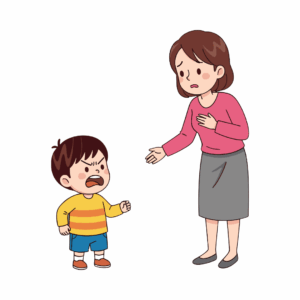
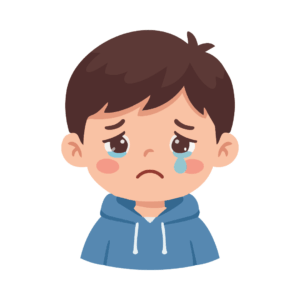
Never Tease Your Child for Having Big Feelings
Children experience emotions intensely.
They cry when they’re disappointed.
They get scared.
They become frustrated over seemingly small things.
They can become extremely excited about something adults barely notice.
Comments such as:
“Here we go again.”
“You’re so dramatic.”
“Are you going to cry about everything?”
may seem playful.
But your child may hear:
“My feelings are embarrassing.”
Instead, help them name what they’re experiencing.
“You’re really disappointed.”
“That scared you.”
“You were really excited about that.”
Your child doesn’t need to feel ashamed of having emotions.
They need to learn how to understand and manage them.
Avoid Making Jokes About Your Child’s Appearance
Appearance is one of the easiest things to turn into a joke.
Their hair.
Their teeth.
Their skin.
Their clothes.
Their height.
Their body shape.
Even a small comment can stick.
You might say:
“Look at that crazy hair!”
and your child may laugh.
But repeated jokes about appearance can make children become overly focused on how they look.
Home should be one of the places where children don’t feel like they’re constantly being evaluated.
You can compliment their appearance without making it the center of their identity.
And when you joke, make sure the joke isn’t at their expense.
Don’t Make Your Child’s Mistakes the Punchline
Children make mistakes constantly.
They spill drinks.
Forget things.
Say the wrong word.
Put their shoes on the wrong feet.
Get an answer wrong.
Fall while learning to ride a bike.
That’s how learning works.
If you tease them every time they make a mistake, they may become afraid of trying.
Instead of making fun of what went wrong, try:
“Oops. That didn’t work. Let’s try again.”
Show them that mistakes aren’t humiliating.
They’re part of learning.
Never Mock the Things Your Child Loves
Children can become deeply attached to things adults find silly.
A particular stuffed animal.
A cartoon character.
Dinosaurs.
A favorite song.
A superhero.
A strange collection of rocks.
A specific color.
A pretend friend.
Their interests may change quickly.
But their feelings are real.
If you repeatedly mock what your child loves, they may stop sharing those interests with you.
You don’t have to love the same things.
You just need to respect their excitement.
Try:
“You really love dinosaurs right now.”
That simple observation can make a child feel seen.
Be Careful About Teasing Your Child About Their Friends
Your child’s friendships may look different from yours.
They may become attached to one friend.
They may have a best friend one week and another the next.
They may have a friend you don’t particularly like.
Be careful about turning those relationships into jokes.
Calling their friend “weird,” making fun of their name, or teasing your child about having a crush can make your child stop talking to you about friendships.
Instead, stay curious.
Ask:
“What do you like about playing with them?”
You don’t have to approve of every friendship to keep communication open.
Don’t Make Your Child Feel Ashamed of Their Fears
A child’s fear can seem irrational to an adult.
The monster under the bed.
The dark.
Dogs.
Thunder.
Going to school.
Sleeping alone.
A doctor’s appointment.
Being away from you.
You may know there’s nothing to fear.
Your child doesn’t.
Saying:
“Don’t be such a baby.”
or:
“You’re scared of THAT?”
doesn’t teach courage.
It teaches shame.
Try:
“I know that feels scary. I’m right here.”
You can help your child gradually become more confident without making fear itself embarrassing.
Avoid Joking About How Much Your Child Eats
Food should be treated carefully.
Avoid joking about how much your child eats.
Don’t call them a “little pig.”
Don’t tease them for asking for seconds.
Don’t make jokes about how slowly they eat.
Don’t turn their appetite into entertainment for other people.
Children have different appetites.
They are also learning to recognize hunger and fullness.
Keeping mealtimes neutral and relaxed can help prevent food from becoming another area where your child feels judged.
Never Tease Your Child About Skills They’re Still Learning
Maybe your child can’t catch a ball.
Maybe they aren’t good at drawing.
Maybe reading is difficult.
Maybe they can’t ride a bike yet.
Maybe they struggle with math.
Maybe they’re not naturally athletic.
Teasing them about a skill they’re still developing can make them afraid of practicing.
Instead of:
“You’re terrible at this.”
try:
“You’re still learning.”
That difference matters.
Skills grow with practice.
Your child’s current ability isn’t a permanent description of who they are.
Don’t Turn Your Child’s Personality Into a Family Joke
Some children are naturally quiet.
Others talk constantly.
Some are cautious.
Others jump into everything.
Some need time to warm up.
Others make friends immediately.
Don’t make your child’s personality the family joke.
Comments like:
“She’s our shy one.”
“He’s always the dramatic one.”
“She never stops talking.”
may sound harmless.
But children can internalize these labels.
Over time, they may begin to think:
“That’s just who I am.”
Instead of defining them, leave room for them to grow.
Your child can be shy today and confident tomorrow.
They can be cautious in one situation and adventurous in another.
Give them room to become more than a label.
Avoid Making Fun of Your Child’s Speech or Voice
Children may mispronounce words.
They may have a lisp.
They may speak slowly.
They may use unusual expressions.
They may have an accent influenced by family or community.
Repeating their words in a mocking way can make them self-conscious about speaking.
If your child is still developing language, mistakes are part of learning.
Listen to what they’re trying to communicate rather than making their speech the joke.
And if you have genuine concerns about speech or language development, discuss them with an appropriate professional rather than teasing the child.
Don’t Tease Your Child for Needing Comfort
Children sometimes want extra cuddles.
They may want you to sit beside them.
They may ask you to stay until they fall asleep.
They may want their favorite blanket.
They may come back for another hug after you already hugged them.
Don’t turn their need for comfort into a joke about being “clingy” or “a baby.”
Children gradually become more independent.
Feeling secure doesn’t prevent independence.
For many children, knowing they can return to a safe parent can make exploration easier.
You can encourage independence while still providing comfort.
“You want one more cuddle. Of course.”
Protect Your Child From Embarrassment When They Make Mistakes
Accidents happen.
Children wet the bed.
Forget to use the bathroom.
Trip in front of other people.
Say something awkward.
Have a tantrum in public.
Throw up.
Make a social mistake.
These moments can already feel huge to a child.
They don’t need their parent turning them into a funny story for everyone else.
If your child makes an embarrassing mistake, protect their dignity.
You can laugh with them later if they’re genuinely comfortable with it.
But don’t make them the punchline.
Why Teasing Can Hurt More When It Comes From Parents
Parents have enormous emotional influence.
Your child cares what you think.
So when you joke about something sensitive, your child may give the comment more weight than you intended.
A stranger saying:
“You talk funny.”
may hurt.
A parent saying it can feel like confirmation.
Children often look to their parents to understand themselves.
That’s why teasing can be especially powerful when it targets something personal.
Not Every Joke Is Harmful
This doesn’t mean your home needs to become completely serious.
Playful teasing can be part of a warm family relationship.
You might joke about who ate the last cookie.
You might pretend your toddler’s stuffed animal is giving you instructions.
You might dramatically complain that your child is “the world’s slowest shoe-wearer.”
The key is to notice the difference between playful connection and personal humiliation.
A useful rule is:
If the joke makes your child feel small, exposed, ashamed, or insecure, it’s probably not worth the laugh.
Watch Your Child’s Reaction When You Tease Them
Sometimes your child will tell you directly.
“That’s not funny.”
Listen.
Other times, the signs may be quieter.
They stop talking.
They avoid the subject.
They look uncomfortable.
They force a laugh.
They leave the room.
They become defensive.
If you notice that your joke landed badly, you don’t have to defend it.
You can simply say:
“Okay. I was joking, but I can see that didn’t feel good. I’m sorry.”
That’s a powerful lesson too.
You’re showing your child that their feelings matter.
What If You’ve Already Teased Your Child About Something?
Don’t panic.
You don’t need to become a perfect parent overnight.
If you’ve made jokes about your child’s appearance, fears, mistakes, personality, or anything else on this list, you can repair it.
Say something simple:
“I’ve joked about that before, but I’ve been thinking about it. I don’t want you to feel bad about yourself because of something I said. I’m sorry.”
You don’t need a long speech.
You don’t need to make your child reassure you.
Just own it.
Then change the pattern.
Let Your Home Be the Place Where Your Child Feels Safe
Children will hear comments from other people.
They’ll experience teasing at school.
They’ll compare themselves with other children.
They’ll eventually face criticism.
They don’t need home to become another place where they feel watched and judged.
Home can be where they know:
“I don’t have to be perfect here.”
“I can make mistakes here.”
“I can have feelings here.”
“I can be different here.”
“I can tell my parents what I love here.”
That’s a powerful gift.
Final Thoughts
You don’t have to remove humor from your family.
You don’t have to walk on eggshells around your children.
You simply need to be thoughtful about what becomes the punchline.
Their feelings aren’t a joke.
Their appearance isn’t a joke.
Their mistakes aren’t a joke.
Their fears aren’t a joke.
Their friendships aren’t a joke.
Their interests aren’t a joke.
Their abilities aren’t a joke.
Their personality isn’t a joke.
And when something is already making your child feel vulnerable, laughter may be the last thing they need.
There are countless things you can laugh about together.
Choose the ones that make both of you smile.
Because the best kind of family humor doesn’t leave one person feeling smaller.
It leaves everyone feeling closer.