You ask your toddler to put on their shoes.
They run away.
You ask them to come to the dinner table.
They suddenly become fascinated by a toy they haven’t touched all day.
You say, “Please don’t climb on the couch.”
Within seconds, they’re standing proudly on the highest cushion.
If this sounds familiar, you’re not alone.
Many parents wonder why their toddler seems to do the exact opposite of what they’re asked.
Is it defiance?
Stubbornness?
A desire to test limits?
Sometimes it might look that way, but child psychology tells us something different.
Most toddlers aren’t trying to make your day harder.
They’re learning how to become independent while still needing your guidance.
Understanding what’s happening beneath the behavior can help you respond in ways that reduce power struggles instead of making them worse.
Why Toddlers Push Back
Toddlers are in a stage of rapid growth.
They’re discovering they have their own thoughts, preferences, and opinions.
That’s exciting for them; but it can also lead to a lot of resistance.
When your toddler says “no” or ignores a request, they’re often experimenting with one of the first forms of independence they have.
They’re learning:
“I can make choices.”
That doesn’t mean they should always get their way.
It simply means their behavior isn’t usually driven by disrespect.
It’s driven by development.
Their Brain Is Still Under Construction
Toddlers don’t yet have the brain skills needed to stop impulses, manage frustration, or switch tasks easily.
Imagine being deeply focused on something you enjoy, and someone suddenly tells you to stop.
Even adults find transitions difficult.
For toddlers, they’re even harder.
Their ability to pause, think, and cooperate is still developing.
That’s why repeating the same instruction louder rarely helps.
They often need support; not just reminders.
They Crave Independence
One of the strongest needs toddlers have is the desire to do things themselves.
That’s why you might hear:
“Me do it!”
Even when they clearly need help.
When every instruction feels like someone else controlling their day, resistance naturally increases.
Whenever possible, offer small choices that still lead to the same goal.
Instead of saying:
“Put your shoes on.”
Try:
“Would you like to wear your red shoes or your blue ones?”
The boundary stays the same.
Your child simply has a chance to exercise some independence within it.
Too Many Commands Can Lead to More Resistance
Think about how many directions toddlers hear each day.
“Sit down.”
“Come here.”
“Don’t touch that.”
“Hurry up.”
“Be careful.”
While many of these instructions are necessary, hearing constant commands can leave children feeling like they have very little control.
Before giving another instruction, ask yourself:
“Is this truly necessary right now?”
Fewer, clearer requests often lead to better cooperation.
Connection Comes Before Cooperation
Children are more likely to listen when they feel connected.
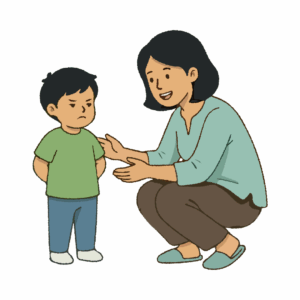
If your toddler is deeply engaged in play, walking over, making eye contact, and gently joining their world for a moment often works better than calling instructions across the room.
You might kneel beside them and say:
“You’re building a really tall tower. In two minutes, it’ll be time for dinner.”
That brief moment of connection helps prepare them for the transition.
Transitions Are Hard for Toddlers
Many battles happen because toddlers don’t like stopping one activity to start another.
The problem isn’t always the request itself.
It’s the sudden change.
Whenever possible, give advance notice.
For example:
“Five more minutes, then it’s bath time.”
Or:
“After this book, we’re getting in the car.”
Predictability helps children shift from one activity to the next with less frustration.
Avoid Turning Every Request Into a Battle
Sometimes parents unknowingly create power struggles by repeating requests over and over.
“Come here.”
“I said come here.”
“Why aren’t you listening?”
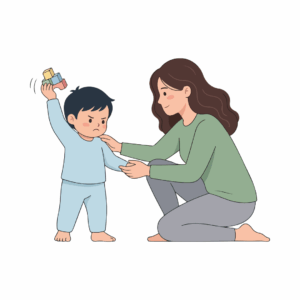
Instead, calmly move closer.
Offer help if needed.
Follow through without anger.
Children learn more from consistent action than repeated warnings.
Say What You Want Them to Do
Toddlers often understand positive instructions more easily than negative ones.
Instead of saying:
“Don’t run.”
Try:
“Use your walking feet.”
Instead of:
“Stop yelling.”
Say:
“Let’s use a quiet voice.”
Positive language gives children a clear picture of the behavior you’re expecting.
Stay Calm When They Say “No”
It’s easy to see your toddler’s refusal as disrespect.
But reacting with anger usually turns a small disagreement into a bigger one.
If your child says “no,” stay calm.
You might respond:
“I hear that you don’t want to. It’s still time to brush your teeth.”
This acknowledges their feelings without changing the boundary.
Children can dislike a limit while still learning to follow it.
Pick Your Battles
Not every disagreement needs to become a lesson.
Ask yourself:
- Is this about safety?
- Is it about kindness?
- Is it truly important?
If the answer is no, consider letting your child have some control.
Maybe they wear mismatched socks.
Maybe they eat the peas before the chicken.
Maybe they carry their own backpack even if it takes longer.
Saving firm boundaries for what truly matters helps toddlers accept them more easily.
What Parents Should Avoid
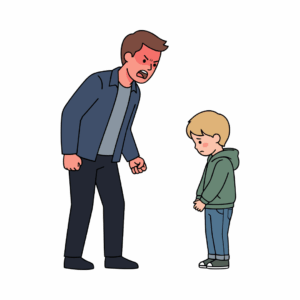
When toddlers resist, it’s tempting to respond with threats, lectures, or labels.
Try to avoid saying:
- “You’re so stubborn.”
- “Why do you never listen?”
- “If I have to ask again…”
- “You’re being difficult.”
These statements don’t teach cooperation.
They often increase frustration for both parent and child.
Instead, focus on guiding the behavior while protecting the relationship.
Simple Scripts That Encourage Cooperation
The words you choose can make everyday moments feel less like a battle.
Instead of:
“I told you already!”
Try:
“Let’s do it together.”
Instead of:
“Stop arguing.”
Say:
“You don’t like this, and it’s still time.”
Instead of:
“Hurry up!”
Try:
“Let’s see if we can hop to the door like kangaroos.”
Playfulness often works because it shifts children out of resistance and into connection.
Final Thoughts
Toddlers don’t wake up each morning planning to ignore their parents.
They’re learning how to balance independence with guidance, curiosity with limits, and big emotions with very little self-control.
That process takes time.
Your calm responses, clear boundaries, and willingness to understand what’s happening beneath the behavior will teach far more than frustration ever could.
So the next time your toddler does the exact opposite of what you ask, pause before assuming they’re being difficult.
They may simply be doing the important work of growing up.
And with your patient guidance, they’ll gradually learn that independence and cooperation can go hand in hand.