You’re standing in the grocery store.
Your child wants the candy by the checkout.
You say no.
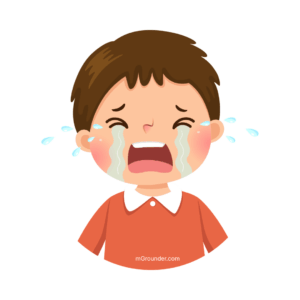
Within seconds, they’re crying, screaming, kicking, or lying on the floor while strangers glance in your direction.
If you’ve ever experienced a public meltdown, you’re not alone.
Almost every parent has been there.
Yet when it happens, it can feel like everyone is judging your parenting.
The truth is, a public meltdown isn’t a sign that you’re failing.
It’s a sign that your child is overwhelmed; and that they need your guidance more than your embarrassment.
Knowing what to do in those moments can help both you and your child move through the situation with more confidence.
Here’s what actually works.
Why Public Meltdowns Feel So Different
When children have big emotions at home, parents usually feel more comfortable responding with patience.
In public, everything changes.
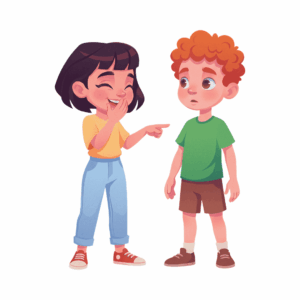
Suddenly, there are people watching.
You may feel rushed.
Embarrassed.
Pressured to make the behavior stop as quickly as possible.
Children often sense that pressure too.
The more anxious we become, the harder it can be for them to regulate their emotions.
That’s why your first goal isn’t ending the meltdown.
It’s helping your child feel emotionally safe enough to calm down.
Step 1: Stay as Calm as You Can
Your child is borrowing your nervous system.
If your voice becomes louder, your movements become frantic, or your frustration takes over, your child is likely to become even more distressed.
Take one slow breath.
Relax your shoulders.
Speak more quietly than you normally would.
Instead of saying:
“Stop crying right now!”
Try:
“I’m here with you.”
Children don’t need a perfect parent.
They need one calm enough to help them through overwhelming feelings.
Step 2: Make Sure Everyone Is Safe
Some children simply cry.
Others may throw objects, run away, or hit.
If safety is a concern, gently move your child to a quieter area if possible.
Block unsafe behavior without using unnecessary force.
You might calmly say:
“I won’t let you hurt yourself or anyone else.”
Your goal is protection, not punishment.
Children feel safer when adults confidently handle safety.
Step 3: Resist the Urge to Lecture
During a meltdown, your child’s thinking brain is temporarily overwhelmed.
Long explanations won’t help.
Neither will asking lots of questions.
Avoid saying:
“We talked about this before.”
Or:
“You’re embarrassing yourself.”
Keep your words simple.
For example:
“You’re upset because you wanted the toy.”
Then stop talking.
Sometimes your calm presence says more than a long speech ever could.
Step 4: Don’t Parent for the Audience
This may be one of the hardest parts.
When strangers are watching, many parents feel pressure to prove they’re in control.
But your responsibility isn’t to satisfy the opinions of people you’ll probably never see again.
It’s to help your child.
Some people may stare.
Others may quietly understand because they’ve been there too.
Focus on the child in front of you; not the people around you.
Your relationship with your child matters far more than a stranger’s opinion.
Step 5: Hold the Boundary With Kindness
Many public meltdowns happen because a parent says no.
The temptation is to give in just to make the crying stop.
While every situation is different, consistently changing your answer during a meltdown can unintentionally teach children that bigger reactions lead to different outcomes.
Instead, stay kind and steady.
For example:
“I know you really wanted the candy. My answer is still no.”
Empathy and consistency can exist together.
Children can feel understood without always getting what they want.
Step 6: Offer Connection, Not Shame
A child who’s overwhelmed doesn’t need humiliation.
They need reassurance that they’re not facing their emotions alone.
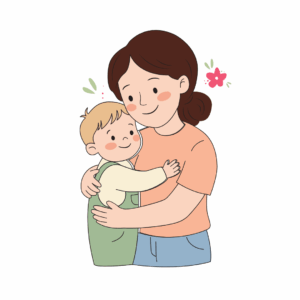
Some children want a hug.
Others simply want you nearby.
You could say:
“I’m staying with you until you’re ready.”
Avoid comments like:
- “Everyone is looking at you.”
- “You’re acting like a baby.”
- “This is embarrassing.”
These statements increase shame without helping children regulate their emotions.
Connection helps children recover.
Shame often prolongs distress.
Step 7: Wait Until They’re Calm Before Talking
Once the crying slows and your child begins settling, resist jumping straight into a lesson.
Give them a few moments to recover.
Later, when everyone is calm, you might ask:
“What felt so hard about that?”
Or:
“What could we try next time?”
Children are much more able to reflect after their nervous system has settled.
Teaching after regulation is far more effective than teaching during dysregulation.
Step 8: Repair If the Moment Became Difficult
Public meltdowns can overwhelm parents too.
You might raise your voice.
Become impatient.
Or react in a way you wish you hadn’t.
If that happens, repair the relationship.
You could say:
“I was feeling overwhelmed too. I’m sorry I yelled.”
Apologizing doesn’t weaken your authority.
It teaches accountability and shows children that everyone can make mistakes and repair relationships.
What Parents Should Ignore
One of the biggest challenges during a public meltdown isn’t your child.
It’s everyone else.
You may notice:
- Curious looks.
- Unsolicited advice.
- Judgmental comments.
- People who seem impatient.
Try to remember:
Most of these people don’t know your child.
They don’t know what happened before the meltdown.
And they won’t be the ones helping your child develop emotional regulation over the next several years.
You are.
That’s where your attention belongs.
What Public Meltdowns Are Really Teaching
It may not feel like it in the moment, but every meltdown is an opportunity for learning.
Your child is discovering:
- Big feelings are manageable.
- My parent helps me feel safe.
- Boundaries stay consistent.
- Mistakes don’t end relationships.
- Calm can return after difficult moments.
These lessons don’t happen because meltdowns are enjoyable.
They happen because of how parents respond during them.
Scripts to Remember in the Moment
When emotions are high, simple phrases are often the most helpful.
Try saying:
“I’m here with you.”
“You’re having a hard time.”
“I’ll help you stay safe.”
“I know you’re disappointed.”
“We’ll talk when you’re feeling calmer.”
Notice what’s missing.
No threats.
No lectures.
No shame.
Just calm guidance and connection.
Final Thoughts
No parent enjoys being in the middle of a public meltdown.
They’re messy, exhausting, and often emotionally draining.
But they don’t define your child.
And they certainly don’t define your parenting.
Children aren’t measuring your success by whether they never lose control.
They’re learning from how you respond when they do.
So the next time your child melts down in the middle of a store, a restaurant, or a playground, remember this:
You don’t have to perform for the crowd.
You only have to show up for your child.
Because long after the strangers have forgotten the moment, your child will remember the parent who stayed beside them while they found their way back to calm.