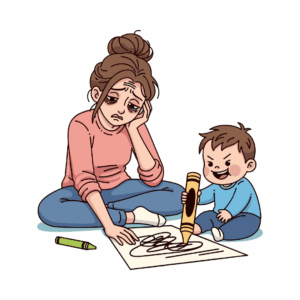
Your child proudly shows you a drawing.
They finally zip up their jacket on their own.
They clean up their toys without being asked.
And almost automatically, you smile and say:
“Good job!”
There’s nothing wrong with those two words.
In fact, they’re spoken with love.
But when “good job” becomes our default response to everything, we miss an opportunity to help our children build something much deeper than confidence; we help them build self-awareness, resilience, and intrinsic motivation.
Child psychology suggests that the most effective praise isn’t the kind that simply evaluates a child. It’s the kind that helps them notice what they did, how they did it, and how they grew.
The good news?
You don’t have to stop encouraging your child.
You simply need more meaningful words.
Here are ten compliments that go far beyond “good job.”
Why “Good Job” Isn’t Always Enough
Children naturally look to their parents for feedback.
When every accomplishment is met with the same praise, children can begin seeking approval instead of recognizing their own effort.
Instead of noticing:
“I worked hard.”
They may start wondering:
“Did Mom think I did a good job?”
The goal isn’t to eliminate praise.
The goal is to make it specific, authentic, and focused on the process rather than the outcome.
That helps children develop motivation that comes from within; not just from applause.
1. “You Worked Really Hard on That.”
Effort deserves recognition.
Whether your child succeeds or not, noticing their persistence teaches them that hard work matters.
Instead of focusing on the result, focus on the process.
Say:
“I noticed how you kept trying even when it was difficult.”
This encourages a growth mindset rather than perfectionism.
2. “You Didn’t Give Up.”
One of the greatest predictors of future success isn’t talent.
It’s persistence.
When children hear that you noticed their determination, they begin valuing resilience over immediate success.
Try saying:
“That was frustrating, but you stayed with it.”
You’re teaching them that perseverance is something worth celebrating.
3. “You Should Feel Proud of Yourself.”
This simple phrase shifts attention inward.
Instead of making your opinion the most important one, you’re encouraging your child to reflect on their own feelings.
Ask:
“How does it feel to finish something you worked so hard on?”
Helping children recognize their own pride builds lasting confidence.
4. “That Was Really Thoughtful.”
Not every compliment needs to be about achievement.
Children also need encouragement for kindness, empathy, and generosity.
When your child shares a toy, comforts a friend, or helps a sibling, say:
“That was really thoughtful of you.”
This reinforces character, not just performance.
5. “I Can See How Much You’ve Improved.”
Progress often matters more than perfection.
Children sometimes become discouraged because they only notice what they still can’t do.
Help them see how far they’ve come.
For example:
“Last month you needed lots of help with this. Look how much you’ve learned.”
Progress builds confidence because it reminds children that growth takes time.
6. “You Solved That All By Yourself.”
Independence grows when children recognize their own abilities.
If your child figures something out without your help, point it out.
Say:
“You kept thinking until you found a solution.”
This reinforces problem-solving rather than dependence on adults.
7. “I Love the Way You Thought About That.”
Creative thinking deserves recognition too.
Whether your child builds an unusual Lego tower or comes up with a unique solution, celebrate their ideas.
Try saying:
“That’s such an interesting way to solve the problem.”
Children become more creative when they know their thinking is valued—not just getting the “right” answer.
8. “You Were So Patient.”
Patience is a skill that takes years to develop.
When your child waits their turn, practices carefully, or keeps calm during a difficult moment, notice it.
For example:
“You waited even though it was hard. That took a lot of patience.”
Children are more likely to repeat behaviors that receive meaningful attention.
9. “I Trust You.”
These three words can be incredibly powerful.
As children grow, they want to know they’re capable.
When appropriate, communicate your confidence in them.
You might say:
“I trust you to carry this carefully.”
Or:
“I trust you to make a kind choice.”
Feeling trusted often inspires children to act responsibly.
10. “You Keep Learning.”
Perhaps the most meaningful compliment isn’t about success at all.
It’s about growth.
Instead of praising what your child already knows, celebrate their willingness to keep learning.
Say:
“Every time you practice, you’re getting better.”
Or:
“Your brain is growing because you kept trying.”
This helps children understand that learning is a lifelong process; not a test of how smart they are.
Compliments That Build Confidence vs. Praise That Seeks Approval
Not all praise has the same impact.
Compliments that build confidence usually:
- Notice effort instead of perfection.
- Describe what the child actually did.
- Encourage reflection.
- Celebrate improvement.
- Reinforce positive character traits.
Praise that constantly seeks approval often sounds like:
- “You’re the best.”
- “You’re so smart.”
- “You’re amazing.”
While these statements come from love, they can unintentionally make children feel like they always need to perform to earn praise.
Descriptive compliments help children value who they are becoming; not just what they achieve.
What If You Still Say “Good Job”?
Don’t worry.
You don’t have to ban those words from your vocabulary.
Instead, make them the beginning of the conversation, not the entire conversation.
For example:
Instead of:
“Good job!”
Try:
“Good job sticking with that puzzle. I noticed you tried three different ways before it worked.”
Or:
“Good job helping your sister. That was really kind.”
Specific praise has far more impact than general praise.
Everyday Moments to Use Meaningful Compliments
You don’t need to wait for big achievements.
These compliments work best during ordinary moments.
Use them when your child:
- Tries something new.
- Practices a difficult skill.
- Shows kindness.
- Solves a problem.
- Handles disappointment.
- Cleans up independently.
- Shares with a friend.
- Keeps trying after making mistakes.
The small moments are often the ones children remember most.
Final Thoughts
Every parent wants their child to feel confident.
But true confidence doesn’t grow from hearing “good job” over and over.
It grows when children begin to notice their own effort, persistence, creativity, kindness, and growth.
Your words help shape the voice your child eventually uses with themselves.
So the next time they proudly show you what they’ve done, pause before saying the usual two words.
Instead, tell them what you genuinely noticed.
Say:
“I saw how hard you worked, and you didn’t give up.”
That compliment doesn’t just celebrate today’s success.
It helps your child build the mindset they’ll carry into every challenge tomorrow.
Read: