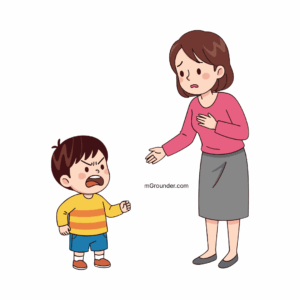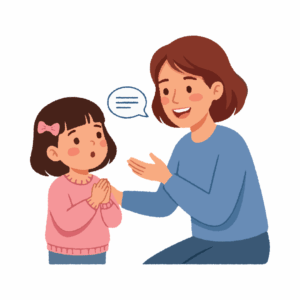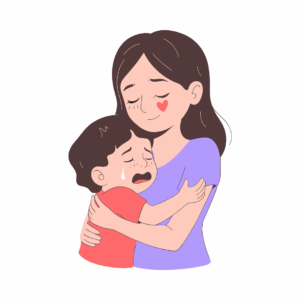
Your child is frustrated. Tears are building. Their face tightens, and suddenly they shout:
“I can’t do it!”
Maybe it’s homework. Maybe it’s tying their shoes, solving a puzzle, riding a bike, or even cleaning up toys.
In that moment, many parents instinctively say things like:
- “Yes, you can!”
- “Stop being dramatic.”
- “Just try harder.”
The intention is good; but these responses often make children feel unheard.
What your child needs most isn’t another reminder to “try.” They need someone to help them regulate the overwhelming emotions preventing them from trying in the first place.
The words you choose during these moments can shape your child’s resilience, confidence, and willingness to face challenges for years to come.
Let’s explore what to say instead.
Why Children Say “I Can’t Do It”
When children declare they can’t do something, they’re rarely making a logical assessment of their abilities.
More often, they’re saying one of these things without having the words to express it:
- “This feels too hard.”
- “I’m afraid I’ll fail.”
- “I’m frustrated.”
- “I’m embarrassed.”
- “I don’t know where to start.”
- “I need help.”
Young children’s brains are still developing the skills needed for emotional regulation. When frustration becomes intense, the thinking part of the brain temporarily takes a back seat while emotions take over.
That’s why correcting them with facts (“But you did it yesterday!”) often doesn’t work.
They don’t need proof.
They need connection.
What Not to Say
Although well-intended, these common responses usually increase pressure instead of confidence.
Avoid saying:
- “You’re fine.”
- “There’s nothing to cry about.”
- “You’re giving up too easily.”
- “Your sister can do it.”
- “Stop saying that.”
- “If you don’t finish, there will be consequences.”
These statements dismiss emotions or shift the focus to performance instead of learning.
Children become more resilient when they feel emotionally safe—not when they feel judged.
What to Say Instead: 7 Scripts That Actually Help
1. “This feels really hard right now.”
Validation doesn’t mean agreeing that they can’t do it.
It simply tells your child:
“I see what you’re experiencing.”
This immediately reduces emotional intensity because your child no longer has to fight to be understood.
Try saying:
“I can see this feels really difficult.”
“You’re frustrated, and that’s okay.”
2. “You don’t have to do it perfectly.”
Many children stop trying because they believe mistakes mean failure.
Replace perfection with progress.
Say:
“We’re learning, not trying to be perfect.”
“Making mistakes is part of getting better.”
Children who learn this mindset become far more willing to tackle difficult tasks.
3. “Let’s figure out the first step.”
When something feels overwhelming, the brain benefits from breaking it into manageable pieces.
Instead of focusing on the entire challenge, narrow the goal.
Say:
“What’s one small thing we can do first?”
“Let’s only do the first step together.”
Small successes rebuild confidence quickly.
4. “I believe you can learn this.”
Notice the difference.
Instead of saying:
“You can do it!”
Say:
“You can learn to do this.”
This subtle shift emphasizes growth rather than immediate success.
It teaches children that abilities develop through practice instead of being something they’re simply born with.
5. “Would you like help, or would you like me to stay nearby?”
Children often want support without someone taking over.
Giving them a choice restores a sense of control.
Try saying:
“I can help a little, or I can cheer you on. Which would you prefer?”
This encourages independence while reminding them they aren’t alone.
6. “Remember when this used to be hard too?”
Children forget their previous successes.
Gently remind them of past growth.
For example:
“Remember when riding your scooter felt impossible? Now you zoom everywhere.”
Past victories remind children that today’s struggles won’t last forever.
7. “It’s okay to take a break.”
Sometimes persistence doesn’t mean pushing harder.
It means stepping away before frustration becomes overwhelming.
Say:
“Let’s take a few deep breaths and come back in five minutes.”
A regulated brain learns far better than a stressed one.
The One Sentence Every Parent Should Remember
When emotions are high, remember this simple script:
“I know this feels hard, and I know you can learn it. I’ll stay with you while you try.”
This sentence does three powerful things:
- It validates feelings.
- It communicates confidence.
- It provides emotional support without taking over.
Few phrases build resilience more effectively.
Why These Responses Build Confidence
Confidence isn’t created by constant praise.
It’s built through repeated experiences of overcoming manageable challenges with supportive guidance.
When parents consistently respond with calm encouragement instead of pressure, children begin to internalize healthier beliefs, such as:
- “Hard things are temporary.”
- “Mistakes help me improve.”
- “I don’t have to quit because I’m frustrated.”
- “My parents believe in me.”
Over time, these beliefs become the foundation of resilience.
What If Your Child Still Refuses?
Sometimes your child won’t calm down immediately.
That’s okay.
Your goal isn’t to eliminate frustration.
Your goal is to help your child move through it safely.
If they continue saying, “I can’t do it,” stay calm.
You might say:
“You don’t have to feel ready yet. I’ll sit with you until you are.”
Or:
“It’s okay to be upset. We’ll solve this together.”
Children borrow emotional regulation from calm adults long before they develop it themselves.
Your composure matters more than the perfect words.
Everyday Opportunities to Build a “Can Do” Mindset
You don’t have to wait for meltdowns to teach resilience.
Use everyday moments to reinforce healthy thinking.
When your child struggles, remind them:
- “You’re getting stronger every time you practice.”
- “Hard doesn’t mean impossible.”
- “Your brain grows when you keep trying.”
- “Every expert was once a beginner.”
The more often children hear these messages, the more likely they are to repeat them to themselves.
Eventually, “I can’t do it” becomes:
“I can’t do it… yet.”
And that single word can change how a child approaches challenges for life.
Final Thoughts
Every child will face moments when frustration feels bigger than their confidence.
In those moments, your words become their inner voice.
They don’t need a parent who fixes every problem.
They need one who stays calm, acknowledges their feelings, and reminds them that learning is a process.
The next time your child cries, “I can’t do it,” resist the urge to rush in with solutions or criticism.
Instead, pause, connect, and say:
“I know this feels hard. Let’s take the next step together.”
Those simple words won’t just help them finish today’s task.
They’ll help build the resilience they’ll rely on for years to come.