Children are naturally curious.
They want to know why you’re worried.
Why you argued with someone.
Why money is tight.
Why you’re upset.
And because children trust their parents, they may absorb far more of your worries than you realize.
Being honest with your child is important. But honesty doesn’t mean sharing every adult problem in full detail.
Children need age-appropriate truth, not the emotional weight of problems they aren’t developmentally prepared to carry.
The goal isn’t to hide reality.
It’s to protect your child’s sense of safety while teaching them that difficult things can be handled.
Here are nine things parents should think twice about sharing with their kids.
1. Detailed Relationship Problems
Children don’t need to know the intimate details of disagreements between parents.
If you’re frustrated with your partner, sharing every argument, complaint, or private detail can put your child in an uncomfortable position.
They may start wondering:
“Are Mom and Dad going to stay together?”
“Is this my fault?”
“Do I have to choose a side?”
If your child notices tension, keep your explanation simple.
Try:
“We’re having a disagreement, but it’s an adult problem and we’re working through it.”
Your child can know that disagreements happen without becoming responsible for fixing them.
2. Adult Financial Stress
Children can understand basic money concepts.
They don’t need to carry adult financial anxiety.
If you’re struggling financially, repeatedly discussing bills, debt, job insecurity, or fears about losing your home can make a child feel unsafe.
Instead, provide an age-appropriate explanation.
“We’re being more careful with money right now, so we’re not buying that today.”
That’s enough.
You can teach financial responsibility without transferring financial fear.
3. Negative Opinions About Their Other Parent
Even when you’re angry with your child’s other parent, be careful about turning your child into a listener, messenger, or ally.
Statements like:
“Your dad never helps.”
or:
“Your mom only cares about herself.”
can put children in the middle of adult conflict.
Your child doesn’t need to carry your resentment.
If there’s a genuine concern about safety or well-being, that’s different and may require appropriate professional support.
But ordinary adult conflict should remain between adults.
4. Your Child’s Personal or Family Secrets
Children deserve privacy too.
Sharing embarrassing stories about their bedwetting, fears, accidents, meltdowns, or personal struggles with relatives or friends can damage their trust.
Before sharing a story about your child, ask:
“Would I want someone telling this story about me?”
If the answer is no, keep it private.
Your child needs to know that home is a safe place where their vulnerable moments aren’t entertainment.
5. Your Adult Fears About Their Future
Parents naturally worry.
You may wonder whether your child will succeed in school, make friends, choose the right career, or make good decisions as they grow.
But repeatedly telling your child about your fears can make your anxiety become theirs.
Instead of:
“I’m worried you’re never going to be responsible.”
Try:
“Let’s work on this skill together.”
Focus on what your child can do now rather than making them carry predictions about the future.
6. Adult Details About Health Problems
Children should receive honest, age-appropriate information when a parent’s or family member’s health affects them.
But they don’t need every frightening detail.
Too much information can create unnecessary anxiety.
If you’re dealing with a health issue, you might say:
“I’m not feeling well, and the doctors are helping me. The adults are taking care of it.”
Then answer their questions honestly and simply.
Don’t promise things you can’t guarantee.
Your goal is reassurance through truthful information, not pretending everything is perfect.
7. Comparisons With Other Children
Children notice when they’re being compared.
They may hear:
“Why can’t you be more like your sister?”
Or:
“Look how well your cousin is doing.”
Even if you mean to motivate them, comparisons can communicate that love or approval depends on performance.
Instead, focus on your child’s own growth.
Try:
“You worked really hard on that.”
Or:
“You’ve improved since last time.”
Children build confidence when they understand that progress matters more than competing with someone else.
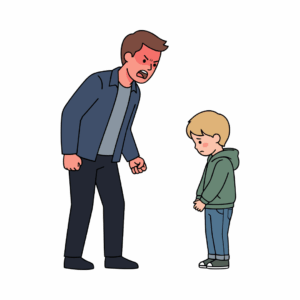
8. Your Child’s Behavior as a Source of Shame
There is a difference between correcting behavior and making a child feel ashamed of who they are.
Telling relatives:
“She’s always difficult.”
or joking about your child’s worst moments can become deeply embarrassing, especially as children grow older.
Correct behavior privately whenever possible.
You can say:
“That behavior wasn’t okay. Let’s talk about what happened.”
The message should be:
You made a mistake. You are not the mistake.
That distinction matters.
9. Problems That Your Child Cannot Fix
Sometimes parents share worries because they need emotional support.
But children aren’t supposed to become their parent’s therapist.
Statements like:
“I don’t know what I’d do without you.”
or:
“You’re the only person who understands me.”
may sound loving, but they can create an emotional burden.
A child may begin feeling responsible for keeping their parent happy or emotionally stable.
It’s healthier to let children know they are loved without making them responsible for your emotional well-being.
Try:
“I love having you in my life, and the adults are taking care of the grown-up problems.”
That keeps the roles clear.
What You Can Share With Your Child
Protecting children from adult burdens doesn’t mean pretending life is always perfect.
Children benefit from seeing parents handle real emotions.
You can say:
“I’m having a difficult day, so I’m going to take a little quiet time.”
Or:
“I’m disappointed about what happened, but I’ll be okay.”
These statements teach emotional awareness without asking your child to take care of you.
The goal is not secrecy.
It’s age-appropriate honesty.
Ask Yourself These Questions Before Sharing
Before discussing something personal with your child, pause and ask:
Is this information appropriate for their age?
Does my child need to know this?
Could they feel responsible for fixing it?
Am I sharing because it helps them, or because I need someone to listen?
Could another adult be a better person to discuss this with?
These questions can help you decide what belongs in a child’s world and what belongs in an adult conversation.
What Children Need Most From Parents
Children don’t need parents who hide every difficult emotion.
They need parents who show them that difficult emotions can be handled.
They need to know:
“My parents have problems, but adults are handling them.”
“I can ask questions.”
“I’m allowed to have feelings.”
“I don’t have to fix grown-up problems.”
“My family can have difficult days and still be safe.”
That sense of security is more valuable than knowing every detail.
Final Thoughts
Your child doesn’t need to know everything you’re thinking.
They don’t need access to every adult worry, relationship problem, financial concern, or private family detail.
That isn’t dishonesty.
It’s a healthy boundary.
As parents, part of our job is deciding which information helps children understand their world and which information simply makes them carry more than they need to.
So before sharing something difficult, pause.
Ask whether your child needs the information, whether they can process it, and whether you’re accidentally asking them to carry an adult burden.
Children deserve honesty. They also deserve childhood.
And sometimes the most loving thing you can say is:
“That’s something the grown-ups are taking care of. You don’t need to worry about it.”