Parents often wonder whether they’re saying the right things.
Are they teaching enough?
Spending enough time together?
Making the right parenting decisions?
But here’s something many parents don’t realize:
Children learn just as much from what they observe as from what they’re told.
Your child is constantly watching how you react, solve problems, treat others, and care for yourself.
They notice the little moments that adults often overlook.
The good news is that children aren’t looking for perfect parents.
They’re looking for parents who make them feel safe, loved, and understood.
Here are ten things children notice most about their parents; and how those everyday moments quietly shape who they become.
Why Children Learn More From What We Do Than What We Say
Children are natural observers.
Long before they can explain what they’re learning, they’re absorbing how relationships work.
They’re watching how you respond when you’re stressed.
How you speak to strangers.
How you handle mistakes.
How you show kindness.
Your everyday actions become their first lessons about the world.
That’s why modeling often has a greater impact than constant reminders.
1. How You Treat Other People
Children notice whether you’re polite to the cashier, patient with a waiter, or kind to a neighbor.
They see whether you thank people, listen respectfully, and speak with compassion.
Those moments teach children how to treat others far more effectively than any lecture.
When they watch kindness in action, kindness becomes normal.
2. How You Respond to Mistakes
Everyone makes mistakes.
What children notice is what happens next.
Do you become overly critical of yourself?
Do you blame others?
Or do you acknowledge the mistake and move forward?
When your child hears you say:
“I made a mistake. I’ll try again.”
they learn that mistakes are opportunities to grow; not reasons to feel ashamed.
3. How You Handle Big Emotions
Children carefully watch what adults do when they’re frustrated, disappointed, or overwhelmed.
If every stressful moment leads to yelling, children may believe that’s how emotions should be expressed.
When you take a deep breath, speak calmly, or apologize after losing your patience, you’re teaching emotional regulation.
You don’t have to stay perfectly calm all the time.
You simply need to show your child that emotions can be managed in healthy ways.
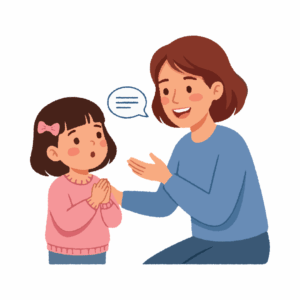
4. Whether You Really Listen
Children know the difference between being heard and simply being answered.
They notice when you put your phone down.
When you make eye contact.
When you let them finish their story without interrupting.
Those small moments tell your child:
“What you have to say matters.”
Feeling listened to strengthens trust and connection.
5. How You Speak About Yourself
Your child hears the comments you make about your own body, abilities, and mistakes.
If you constantly criticize yourself, they may learn to speak to themselves the same way.
Instead, let them hear balanced, compassionate self-talk.
For example:
“That didn’t go the way I hoped, but I’ll keep practicing.”
Children often borrow the inner voice they hear at home.
6. Whether You Keep Your Promises
Trust grows through consistency.
Children notice when you follow through on what you say.
That doesn’t mean you can never change plans.
Life happens.
But when plans change, explaining why helps children continue to feel secure.
Reliable parents help children feel safe because their words and actions match.
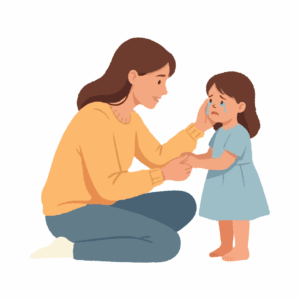
7. How You Treat Them When They Struggle
Anyone can celebrate a child who’s succeeding.
What children remember most is how their parents respond when things are hard.
When they fail a test.
Lose a game.
Have a meltdown.
Make a mistake.
Your response during difficult moments often becomes the voice they carry into future challenges.
Instead of saying:
“Why would you do that?”
Try:
“Let’s figure this out together.”
Support during struggles builds resilience.
8. Whether Your Home Feels Safe
Children notice more than physical safety.
They notice emotional safety too.
Can they admit mistakes without fear?
Can they ask questions?
Can they share big feelings?
A child who feels emotionally safe is more likely to seek guidance instead of hiding problems.
Emotional safety begins with knowing they’re loved even on their hardest days.
9. How You Treat the People You Love
Children learn about relationships by watching yours.
They notice how you speak to your partner, relatives, and close friends.
They see whether disagreements are handled respectfully.
They observe affection, patience, forgiveness, and teamwork.
These everyday interactions become their blueprint for future friendships and relationships.
10. The Time You Give Them
Children rarely measure love by expensive gifts or elaborate vacations.
They measure it through attention.
Reading one more story.
Playing a game together.
Listening during a car ride.
Laughing over dinner.
Ten minutes of genuine connection often means more than hours spent in the same room while everyone is distracted.
Children remember how they felt when they were with you.
What Parents Often Worry About; But Children Usually Don’t
Many parents worry they aren’t doing enough.
They compare birthday parties.
Educational activities.
Perfect family photos.
Expensive experiences.
But children usually remember different things.
They remember who comforted them after a nightmare.
Who laughed at bedtime stories.
Who celebrated their little victories.
Who made them feel accepted exactly as they were.
Those are the moments that stay with them.
You Don’t Have to Be Perfect
Perhaps the most comforting truth in parenting is this:
Your child doesn’t need perfection.
They need authenticity.
They benefit from seeing adults who make mistakes, repair relationships, and keep learning.
If you lose your patience, you can come back and say:
“I’m sorry I yelled earlier. I was frustrated, but I should have handled it differently.”
That simple apology teaches humility, accountability, and emotional maturity.
Children don’t expect flawless parents.
They need parents who are willing to grow.
Final Thoughts
Every day, your child is quietly gathering lessons about life; not only from your words, but from your actions.
They’re learning what kindness looks like.
How people handle disappointment.
How families solve problems.
How love is shown.
You may not remember every conversation you have with your child.
But they will remember how you made them feel.
So as you move through the ordinary moments of parenting, remember this:
Your child isn’t looking for a perfect example.
They’re watching someone they’re learning how to become.
And that makes even the smallest moments more meaningful than you may ever realize.