Dinner is almost ready.
The chicken is cooling on the cutting board, and the plates are stacked by the sink.
You ask your child to set the table.
“No! You can’t make me!”
The words are loud. The tone is louder.
Your child rolls their eyes, sighs hard enough to move the napkins, and walks off down the hall.
Your stomach tightens.
It is not the plates.
It is the sound of being talked to like that in your own kitchen.
That sound is what this is about.
The Tone Is the Message
Listen past the words for a second.
“No” is an answer. “No!” with a slammed door is something else.
“I don’t want to” is honest. Said while copying your voice back at you, it is a jab.
The difference is not what your child says. It is how they say it.
That is why arguing about the words never works.
So the work is not to stamp out every “no.” It is to teach a different sound for the same feelings.
Listen to Your Own Voice First
For two days, listen to yourself the way your child hears you.
Not your intentions. Your sound.
What does your voice do when you are tired, late, or standing in a kitchen with cold food?
Does it sharpen? Does it clip the ends off words?
Does “Shoes. Now.” come out as a bark?
Your child is not taking notes. They are absorbing the music of the house.
This is not blame. It is the one lever you can actually move.
You cannot reach inside your child and turn down the volume. You can turn down your own.
So for two days, just notice.
The mornings. The car. The last stretch before bed, when everyone is worn out.
When you catch a sharp one, say so out loud.
“That came out sharp. Let me try again.”
Your child hears the repair, too.
Pick One Line and Use It Every Time
Backtalk thrives on a new answer every time.
Your child learns to test the weather instead of learning the words.
So pick one line.
One. Use it the same way, in the same calm voice, every time the tone shows up.
Here is one that works: “I hear you. Say it in a calm voice and I will listen.”
Or this one: “Try that again without the attitude, and I am right here.”
Or this one: “I want to hear what you think. I will not listen to that tone.”
Choose the line that sounds like you on a good day. Then keep it.
When the eye roll comes, say the line. Then stop.
Do not add a speech.
Do not explain why the tone is rude.
Do not list the things you do for this child.
The line is the whole answer.
Keep the line the same. Keep your voice the same.
“I hear you. Say it in a calm voice and I will listen.”
Then wait. Give the silence a little room to do its work.
Teach the Other Words When Nobody Is Upset
You cannot teach new words in the middle of a standoff.
A child mid eye roll is not listening for vocabulary.
They are listening for whether you will flinch.
Sit on the couch. Keep it short. Keep it light.
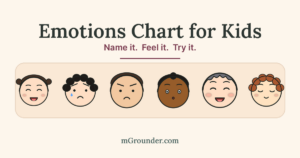
“Earlier, when I asked you to set the table, you said no in a loud voice. What were you feeling then?”
Then listen. Really listen.
That feeling is allowed. The tone is what needs a new shape.
Offer the words your child did not have in the moment.
“You can say, ‘I am in the middle of something. Can I do it in a minute?'”
“You can say, ‘I don’t want to do that right now. I am frustrated.'”
“You can say, ‘I need a break first.'”
Let your child try the words out loud. It will feel silly. That is fine.
When the moment comes and your child reaches for one of those words, even clumsily, treat it like a win. Because it is.
Catch Respectful Disagreement and Praise It Loudly
Your child is allowed to disagree with you.
Not just allowed. You want them to.
So watch for the disagreeing that comes without the edge, and name it the second you hear it.
“You just told me you don’t like that plan, and you said it calmly. Thank you. I am listening.”
“I heard you say no, and your voice stayed steady. That helps me hear you.”
“You disagreed with me and you did it with respect. I noticed.”
Say it warmly. Say it right away. Say it where others can hear it.
Kids repeat what gets noticed.
Look for it at the small moments, too. The “Can we do it later?” said without a sigh. The “I don’t want to” said without the mocking echo.
Those small moments are the new habit forming. Say so.
Make the Day Less Loaded
Backtalk does not only come from attitude. It comes from a day that has asked too much.
So look at the load before you look at the tone.
Where are the pileups in your day?
Is it the rush out the door in the morning, shoes and bags and lunch boxes all at once?
Is it the stretch after school, when your child is hungry and tired and you need homework started?
Pick one pileup and soften it.
Set the shoes by the door the night before.
Put a snack out before the homework question comes up.
Give a warning before the screen goes off, instead of switching it off mid-game.
Ask earlier, too. Ask once, clearly, and then give a little space for the answer.
“Dinner is soon. Table, please, when you are ready.”
When You Snap First
You will snap. That is part of this.
When that happens, repair it. Out loud. Soon.
“I snapped at you just now. My voice was sharp, and that was not fair. I am sorry.”
“I used the tone I asked you not to use. I will work on that.”
Then stop. Do not turn the apology into a lecture about their tone.
A repair shows them that a sharp tone is not the end of the conversation.
It is something you can notice, name, and try again after.
That is the same skill you are asking them to learn.
So when you snap, do not pretend it did not happen. Notice it. Name it. Try again.
Your child will borrow that, too.
What Changes Over Time
Nothing here changes in a single evening.
Your child will still roll their eyes next week.
The sigh will still show up on a tired day.
But the shape of it will start to shift.
You will hear your own line coming back at you, in your child’s voice, in a steadier tone.
That is the sound of a child learning that they can disagree and still be heard.
That is how the kitchen gets quieter, one evening at a time.