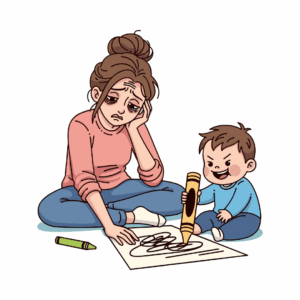
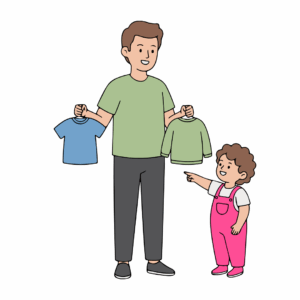
Parenting rarely tests a couple on the big speeches.
It tests them at 7:40 in the evening, when one child is tired, one parent is tired, and bedtime suddenly becomes a negotiation.
One of you wants to hold the line.
The other wants to end the day in peace.
Neither of you is wrong, and that is exactly why parenting compatibility matters more than most couples expect.
Compatibility is not about agreeing on everything.
It is about knowing how you will handle the moments when you do not agree, and making sure your child does not have to referee the difference.
Take the quiz below honestly, not perfectly, and let it show you where you are already a strong team and where one small conversation could make home feel calmer.
Why being in sync matters more than being right
Children watch how their parents handle disagreement long before they understand the words being used.
When one parent says yes and the other says no within the same hour, a child learns that rules bend depending on who is in the room.
It makes them confused, and confused children test boundaries harder because they are trying to find where the boundary actually sits.
That means agreeing on how you will respond in front of the children, and saving the real discussion for later, when little ears are not listening.
Different parenting styles can still work beautifully together, as long as both parents respect what the other brings and agree on the non-negotiables.
Problems start when those differences are never named.
Where couples usually differ, and why it is normal
Bedtime is the classic flashpoint, because everyone is tired and patience is at its lowest.
One parent may believe a strict routine protects sleep, while the other believes a little flexibility on a hard day harms no one.
Screen time creates a similar split, especially when grandparents, school, and other families all seem to have different rules.
Consequences are another place where couples part ways.
One parent may favour a calm conversation after the moment has passed, while the other wants an immediate, clear response while the behaviour is still fresh.
A parent who grew up doing chores without question may expect the same, while a parent who grew up with more freedom may see chores as something to negotiate.
These differences do not mean a couple is incompatible.
They mean a couple has two childhoods, two families, and two sets of instincts trying to raise one child together.
How to talk about parenting differences without a fight
The best parenting conversations happen when no child is upset, no one is hungry, and no one is about to walk out of the door.
Then name one specific moment, not a character flaw.
“When we disagreed about screen time in front of them, I felt stuck” is easier to hear than “you always undermine me.”
Agree on a simple rule for disagreements in front of the children.
One useful rule is this: the parent who is handling the moment leads, and the other parent backs them up, even if they would have chosen differently.
You can revisit the decision later, privately, and change the rule for next time.
Reading about what to do when your child has a public meltdown can help a couple agree on a plan before the next difficult outing, rather than inventing one under stress.
Learning how to apologize to your child for yelling gives both parents a shared language for repair, and repair is what children remember most.
One small change you can make this week
Small, shared agreements are enough to start with.
Choose one area where you differ most, perhaps bedtime, and agree on exactly what will happen for the next seven days.
For example, you might agree that bedtime starts at the same time, with the same two steps, no matter which parent is on duty.
That consistency alone can transform evenings, because children relax when they know what comes next.
Toddler routines work for the same reason: predictable rhythms make children feel safe, and safe children cooperate more easily.
If one parent feels exhausted by the new routine, that is useful information, not failure.
Consistency is a practice you return to, again and again, as your children grow and your lives change.
It teaches them that two people can see things differently and still stay on the same team.
They need parents who are willing to keep learning how to parent together.
Frequently asked questions
Does parenting compatibility mean we must agree on everything?
No, it does not.
Compatibility means you handle disagreement in a way that keeps your child feeling safe and keeps your relationship intact.
What should we do when we disagree in front of our child?
Back each other up in the moment, then talk about it privately later.
A calm “we will talk about this and let you know” protects everyone involved.
Later, when you are both calm, agree on what you will do next time so the same disagreement does not repeat.
Can our parenting compatibility improve over time?
Yes, it almost always does, when both parents are willing to talk and adjust.
Compatibility grows through small agreements, honest conversations, and the willingness to change a rule that is not working.
If you are running on empty, reading about parental burnout can help you spot the signs early and support each other before resentment builds.
One small change, practised together for a week, is often enough to start a better pattern.