Trust isn’t always loud.
Your child may not say, “I trust you,” or sit down and explain how safe they feel with you.
Instead, trust often shows up in small, ordinary behaviors.
It’s in the way they run to you after getting hurt.
It’s in the questions they ask at bedtime.
It’s in the mistakes they admit.
It’s even in the moments when they disagree with you.
A trusting relationship isn’t one where a child is always obedient, cheerful, or attached to their parent.
It’s one where a child believes, deep down, “I can be myself with you, and our relationship will still be safe.”
Here are seven quiet signs that your child may have deep trust in you.
1. Your Child Comes to You After Making a Mistake
One of the strongest signs of trust is what happens after your child knows they’ve done something wrong.
Maybe they broke something.
Maybe they lied.
Maybe they got into trouble at school.
Maybe they made a poor choice and are worried about your reaction.
If they still come to you and tell you what happened, that’s meaningful.
They may be thinking:
“I know I’m going to have to deal with this, but I can tell my parent.”
That’s different from believing they’ll never face consequences.
Trust doesn’t mean your child expects you to say, “It’s fine.”
It means they believe they can bring you the truth without losing your love.
Try to protect that connection by separating the child from the mistake:
“I’m glad you told me. We’ll figure out what needs to happen next.”
2. They Tell You Things That Seem Small
Your child may suddenly tell you about a tiny disagreement with a friend.
They may describe something funny that happened during lunch.
They may tell you a completely random thought while you’re trying to cook dinner.
It can be tempting to dismiss these stories because they seem insignificant.
Don’t underestimate them.
Children often share small things with the people they feel connected to.
Those little conversations create the foundation for bigger ones later.
When your child tells you something, you don’t always need to teach, correct, or solve.
Sometimes:
“Really? Tell me more.”
is enough.
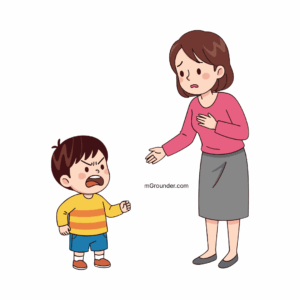
3. They Let You See Their Big Feelings
A child who feels safe with you may not always look calm around you.
Sometimes the opposite is true.
They may cry.
They may complain.
They may say, “I don’t want you!”
They may melt down after holding themselves together all day.
That doesn’t automatically mean you’re doing something wrong.
Children often release emotions where they feel secure enough to do so.
Of course, children still need boundaries around unsafe behavior.
You can say:
“You can be angry. I won’t let you hit.”
The goal isn’t to eliminate their feelings.
It’s to help them learn that difficult emotions don’t destroy the relationship.
4. They Ask You for Help
A child who trusts you doesn’t believe they have to handle everything alone.
They may ask you to help with homework.
They may call for you after a nightmare.
They may ask how to handle a friendship problem.
They may simply say:
“Can you help me?”
That request matters.
Responding warmly doesn’t mean solving everything for them.
Sometimes the best response is:
“Let’s figure this out together.”
You’re communicating that needing help isn’t weakness and that they don’t have to hide their struggles.
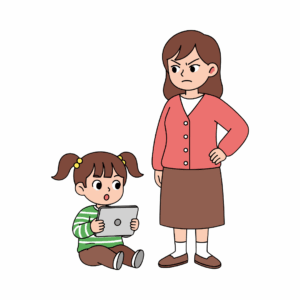
5. They Feel Comfortable Saying “No” Sometimes
This may surprise parents.
A child who trusts you won’t necessarily agree with everything you say.
They may tell you:
“I don’t like that.”
“I don’t want to.”
“I think you’re wrong.”
That doesn’t mean they don’t respect you.
A secure child can gradually learn that disagreement doesn’t automatically threaten the relationship.
Of course, children still need to follow important boundaries, especially around safety and respect.
But you don’t need to demand emotional agreement.
You can say:
“You don’t have to agree with me. This is still the decision we’re making.”
That’s a powerful lesson.
6. They Seek You Out for Comfort
When children are hurt, frightened, overwhelmed, or exhausted, notice where they turn.
Do they look for you?
Do they climb into your lap?
Do they call for you when something scares them?
Do they want to tell you about something that upset them?
Seeking comfort is one of the clearest everyday signs that your child sees you as a source of safety.
You don’t need to make the feeling disappear.
Often, simply being there helps.
Try:
“I’ve got you.”
“That really scared you.”
“I’m right here.”
Your presence teaches your child that difficult experiences can be faced without being faced alone.
7. They Are Comfortable Being Their Unfiltered Self
One of the quietest signs of deep trust is that your child doesn’t feel like they constantly have to perform around you.
They may be silly.
They may be curious.
They may tell terrible jokes.
They may dance badly in the kitchen.
They may ask questions you weren’t expecting.
They may show you their strange drawings or endless collections of rocks, stickers, or random objects.
They don’t always seem polished.
That’s the point.
A child who feels emotionally safe doesn’t need to constantly earn their parent’s approval by being impressive.
They can simply exist.
And they know there is room for their personality inside the relationship.
Trust Doesn’t Look Like Perfect Behavior
This is important.
A trusting child can still lie.
They can hide things.
They can have tantrums.
They can argue.
They can prefer the other parent sometimes.
They can slam a door.
They can say something hurtful.
Trust isn’t measured by obedience.
A child who obeys out of fear may look extremely well-behaved while feeling emotionally disconnected.
A child who trusts you may sometimes feel safe enough to disagree, test limits, and show you their difficult emotions.
The relationship matters more than perfect behavior.
How Parents Build This Kind of Trust
Deep trust isn’t created through one big conversation.
It’s built through hundreds of ordinary moments.
You listen when your child talks.
You keep promises when you can.
You apologize when you get something wrong.
You respect their privacy.
You enforce boundaries without humiliating them.
You take their feelings seriously without letting feelings control every decision.
And when they come to you with something difficult, you try to make the first response curiosity rather than anger.
That doesn’t mean you never get frustrated.
It means your child repeatedly experiences you as someone who can handle their truth.
What to Do When Your Child Comes to You
Sometimes your child’s biggest test of trust will be something you don’t expect.
They may tell you something that makes you angry.
Your first instinct may be to lecture.
Pause.
Take a breath.
Ask:
“Do you want me to listen, or do you want help figuring this out?”
If they’re in danger, of course, step in.
But when the situation allows, let them finish.
You can address the behavior afterward.
First, protect the channel of communication.
Because a child who knows they can come to you is a child who is more likely to seek your help when the stakes become much higher.
Final Thoughts
Your child may never sit down and announce:
“I trust you deeply.”
They’ll probably show you instead.
They’ll come to you after a mistake.
They’ll tell you something silly.
They’ll cry when they’re overwhelmed.
They’ll ask for help.
They’ll disagree with you and still come back for a hug.
They’ll show you the parts of themselves that aren’t polished or perfect.
Those ordinary moments are worth noticing.
Because deep trust isn’t built by being a perfect parent.
It’s built when a child repeatedly learns:
“I can tell my parent the truth.”
“My feelings are safe here.”
“I can make mistakes and still be loved.”
“Even when my parent says no, our relationship is still secure.”
Those are the quiet foundations of a strong parent-child bond.