Being a safe parent doesn’t mean you’re calm every minute, never lose your patience, or get every parenting decision right.
It means your child generally experiences you as someone they can trust, return to, talk to, and depend on, especially when things are difficult.
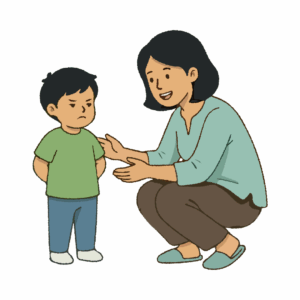
A safe parent provides boundaries without making love feel conditional. They can say no without humiliating their child. They can correct behavior while still communicating, “You’re loved.”
And perhaps most importantly, a safe parent understands that mistakes happen on both sides. When something goes wrong, they work toward repair rather than expecting perfection.
If you’ve ever wondered whether you’re creating that kind of relationship with your child, these signs can help.
1. Your Child Can Come to You With Bad News
One of the strongest signs of emotional safety is that your child doesn’t believe they have to hide every mistake from you.
They may still hesitate sometimes. That’s normal.
But when something genuinely goes wrong, they know there’s a possibility they can tell you.
Maybe they broke something.
Maybe they had a fight at school.
Maybe they made a poor decision.
Maybe they’re worried about something they don’t fully understand.
A safe parent doesn’t respond to every problem with immediate anger or punishment.
They might say:
“Thank you for telling me.”
Then:
“Let’s figure out what happened.”
That doesn’t mean there are no consequences.
It means the relationship remains open while the problem is addressed.
2. You Can Say No Without Withdrawing Love
Children need boundaries.
They need parents who can say:
“No.”
“That’s not safe.”
“We’re leaving now.”
“You can’t hit your brother.”
Being a safe parent doesn’t mean saying yes to everything.
The difference is what happens around the boundary.
You can say:
“I know you’re disappointed. The answer is still no.”
Instead of:
“Fine. I don’t want to talk to you anymore.”
The first communicates:
“The limit is firm, but our relationship is still secure.”
That’s an important distinction.
3. Your Child Doesn’t Have to Be Happy to Be Loved
A child doesn’t need to be cheerful, grateful, cooperative, or agreeable to deserve affection.
They can be angry.
They can be disappointed.
They can cry.
They can disagree with you.
They can have a terrible afternoon.
And you can still communicate:
“I’m here.”
This doesn’t mean accepting every behavior.
You can validate an emotion while setting a boundary.
“You’re angry that we have to leave. It’s okay to be angry. I’m not going to let you hit.”
The feeling is accepted.
The unsafe behavior isn’t.
4. You Listen Instead of Always Trying to Fix
Sometimes children need solutions.
Other times they simply need someone to listen.
When your child tells you about a friendship problem, a disappointing day, or something that upset them, try not to immediately jump into problem-solving mode.
Start with:
“That sounds really difficult.”
Or:
“Tell me more.”
Or:
“What happened next?”
Listening doesn’t mean agreeing with everything your child says.
It means showing them that their experiences are worth hearing.
5. You Apologize When You Get It Wrong
Safe parents aren’t perfect parents.
You may lose your patience.
You may yell.
You may misunderstand your child’s behavior.
You may react too strongly.
The important question isn’t whether you ever make mistakes.
It’s whether you’re willing to repair them.
You might say:
“I was really frustrated, but I shouldn’t have yelled at you.”
Or:
“I misunderstood what happened. I’m sorry.”
Or:
“I didn’t handle that very well. Let’s try again.”
An apology doesn’t make you less authoritative.
It models accountability.
Your child learns that relationships can survive mistakes and that saying “I’m sorry” is something strong people do.
6. Your Child Can Disagree With You
A child who feels safe doesn’t necessarily agree with their parent all the time.
They may say:
“That’s not fair!”
“I don’t like that rule.”
“I don’t agree.”
You don’t have to give in.
But you can allow disagreement without turning it into disrespect.
Try:
“You don’t have to like the rule. You do need to follow it.”
This teaches an important lesson:
Having a different opinion doesn’t put the relationship at risk.
Your child can learn to disagree respectfully rather than learning that disagreement itself is dangerous.
7. You Don’t Use Fear to Control Your Child
Threats may produce immediate compliance, but fear isn’t the foundation you want for a trusting relationship.
Statements such as:
“If you don’t stop, I’ll leave you here.”
“I’ll give your toys away.”
“You better watch yourself.”
can make children feel that love, safety, or security can disappear when they misbehave.
A safer approach is to use clear, realistic boundaries.
Instead of:
“If you throw that again, you’ll never get another toy.”
try:
“If you throw the toy, I’ll put it away.”
Then follow through calmly.
The child knows what will happen without having to fear an exaggerated threat.
8. You Make Room for Your Child’s Feelings
A safe parent doesn’t require a child to stop feeling something simply because the emotion is inconvenient.
Your child can be sad about leaving the playground.
They can be angry about bedtime.
They can feel nervous about school.
They can be disappointed about not getting what they wanted.
You can say:
“I know you’re upset.”
“That was disappointing.”
“You really wanted to stay.”
You don’t have to fix the feeling.
Sometimes your calm presence is enough.
9. You Protect Your Child Without Trying to Control Everything
Safety is part of parenting.
Young children obviously need significant supervision and protection.
As children grow, however, they also need increasing opportunities to develop independence.
A safe parent gradually adjusts their involvement as their child’s abilities develop.
That might mean:
- Letting a toddler choose between two outfits
- Allowing a school-age child to solve a small problem independently
- Letting an older child handle an age-appropriate disagreement
- Giving a teenager increasing privacy while remaining available
The goal isn’t to remove every risk from your child’s life.
It’s to provide enough support for them to develop confidence while knowing they can come back to you.
10. You Keep Your Promises When You Can
Trust grows through consistency.
If you tell your child you’ll be there, try to be there.
If plans have to change, explain why.
If you can’t keep a promise, acknowledge it rather than pretending it didn’t happen.
For example:
“I told you we’d read another story, but we’re running late tonight. I’m sorry. Let’s read an extra one tomorrow.”
Small moments of reliability accumulate.
Your child learns:
“What my parent says generally matches what my parent does.”
11. Your Child Doesn’t Have to Manage Your Emotions
Parents naturally have emotions.
You can be angry, sad, stressed, or disappointed.
But children shouldn’t feel responsible for keeping a parent emotionally stable.
Avoid making statements such as:
“Look what you’ve done to me.”
“You’re making Mommy so unhappy.”
“If you loved me, you wouldn’t do this.”
Instead, take ownership of your feelings.
“I’m feeling frustrated, so I’m going to take a moment.”
This teaches your child that emotions are real but manageable and that they aren’t responsible for regulating an adult.
12. You Respect Their Physical Boundaries
Even young children can learn that their bodies belong to them.
That means paying attention when they don’t want a hug, kiss, tickling, or physical contact whenever circumstances allow.
You can say:
“You don’t want a hug right now? That’s okay.”
You can also teach them that other people’s bodies deserve the same respect.
There are obviously situations where parents must physically intervene for safety, for example, stopping a child from running into danger or hurting someone.
But everyday affection doesn’t need to be forced.
13. You Don’t Humiliate Your Child
Correction is sometimes necessary.
Humiliation isn’t.
There’s a difference between:
“We don’t speak to people that way.”
and:
“What’s wrong with you?”
There’s a difference between:
“You need to clean up the mess.”
and:
“You’re so lazy.”
Focus on the behavior that needs changing.
Your child should be able to learn from a mistake without feeling that the mistake defines who they are.
14. You Let Your Child Be Themselves
A safe relationship leaves room for individuality.
Your child may have a different personality from you.
They may be quiet when you’re outgoing.
They may love something you don’t understand.
They may have different interests.
They may need more alone time.
They may not enjoy the activities you expected them to love.
You can guide them without trying to turn them into a smaller version of yourself.
The message becomes:
“You don’t have to be exactly like me to belong here.”
15. You Know That Repair Matters More Than Perfection
Perhaps the biggest sign of a safe parent is not that there are never difficult moments.
There will be plenty.
You will sometimes misunderstand each other.
You will occasionally lose patience.
Your child will sometimes behave in ways that frustrate you.
What matters is whether you return to the relationship afterward.
You might sit beside your child and say:
“We had a rough morning.”
“I didn’t handle that well.”
“Let’s talk about what happened.”
Repair tells your child:
“Conflict doesn’t mean abandonment.”
That’s a powerful message.
What If You’re Not Seeing All of These Signs?
Don’t panic.
This isn’t a checklist where you either pass or fail.
Every parent has moments when they don’t respond the way they wish they had.
Maybe you yelled this morning.
Maybe you were too strict yesterday.
Maybe you dismissed your child’s feelings because you were exhausted.
One difficult interaction doesn’t define your entire relationship.
Instead, ask:
What can I do differently next time?
Maybe the answer is apologizing.
Maybe it’s listening before correcting.
Maybe it’s creating a calmer bedtime routine.
Maybe it’s asking your partner or support network for help because you’re running on empty.
Small changes repeated over time can have a meaningful impact.
What a Safe Parent Is Not
Being a safe parent doesn’t mean:
- Saying yes to everything
- Avoiding consequences
- Never getting angry
- Allowing disrespect
- Protecting children from every disappointment
- Being available every second
- Having no rules
- Preventing your child from experiencing difficult emotions
- Never making mistakes
Safety and boundaries can coexist.
You can be warm and firm.
You can be affectionate and consistent.
You can listen and still say no.
You can apologize and remain the parent.
How to Build More Safety Into Everyday Parenting
You don’t need a complete parenting transformation.
Start with small moments.
Listen for one extra minute
When your child tells you something, resist the urge to immediately give advice.
Replace one threat with a clear boundary
Instead of an exaggerated consequence, explain what will actually happen.
Name an emotion
“You’re disappointed.”
Offer connection after correction
“That behavior wasn’t okay. I’m still here.”
Repair one difficult moment
If you reacted poorly, go back and acknowledge it.
Create predictable routines
Children often feel more secure when they know what to expect.
Make time for ordinary connection
Read together.
Talk in the car.
Sit beside them at bedtime.
Play for ten minutes.
You don’t need elaborate activities.
Small, repeated moments of connection matter.
Final Thoughts
Being a safe parent isn’t about creating a childhood without conflict, disappointment, or boundaries.
It’s about creating a relationship where your child knows that difficult moments don’t threaten the relationship itself.
They can make mistakes.
They can have big feelings.
They can disagree.
They can tell you something uncomfortable.
They can come back after getting things wrong.
And they can trust that you will still be there.
You don’t have to be the calmest parent in the world.
You don’t have to respond perfectly every time.
You simply need to keep building the message your child experiences again and again:
“You are safe with me. You can tell me the truth. We can work through hard things together. And even when I correct you, you are still loved.”