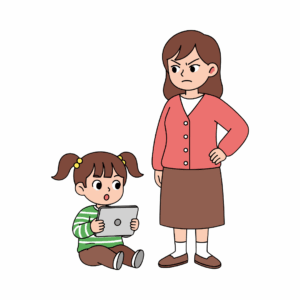
Motherhood can sometimes feel like an endless cycle of getting everyone fed, dressed, cleaned up, and out the door, only to start all over again the next morning.
There are seasons when simply getting through the day feels like an accomplishment.
But thriving in motherhood doesn’t mean having a spotless house, perfectly behaved children, unlimited patience, or hours of free time.
It doesn’t mean loving every moment.
Thriving means creating a way of living that leaves room for your needs, your relationships, your identity, and your enjoyment of motherhood; not just your responsibilities.
And often, the difference isn’t that thriving moms have easier lives.
They simply approach motherhood differently.
1. They Stop Trying to Do Everything
A thriving mom knows that doing everything isn’t the same as doing what matters.
There will always be laundry.
There will always be dishes.
There will always be something that could be cleaned, organized, answered, or improved.
Trying to keep up with everything can leave you constantly feeling behind.
Instead, ask:
“What actually needs to happen today?”
Maybe dinner needs to happen.
The laundry can wait.
Maybe your child needs your attention more than the kitchen needs cleaning.
Maybe you need to sit down for ten minutes instead of completing one more household task.
Not everything deserves your energy equally.
2. They Don’t Treat Rest as a Reward
Some moms approach rest as something they can have once everything else is finished.
The problem is that everything is rarely finished.
There will always be another task.
Thriving moms understand that rest is part of maintaining themselves; not something they have to earn.
That might mean:
- Going to bed instead of folding laundry
- Sitting down while the kids play
- Taking a quiet shower
- Reading for ten minutes
- Having coffee without multitasking
- Asking someone else to handle bedtime occasionally
Rest doesn’t mean you’re lazy.
It means you’re human.
3. They Make Motherhood Easier on Purpose
There’s no prize for choosing the hardest possible way to do something.
If meal planning makes your week easier, do it.
If frozen vegetables save you time, use them.
If your children can handle simpler breakfasts, simplify breakfast.
If ordering groceries gives you an extra hour, consider it.
If the house doesn’t need to look perfect, let it be imperfect.
Thriving moms aren’t necessarily doing more.
They’re often removing unnecessary work.
And making something easier isn’t taking a shortcut on motherhood.
It’s recognizing that your energy is limited and choosing where to spend it.
4. They Accept That Some Days Will Be Messy
A peaceful motherhood mindset doesn’t require peaceful days.
Some days will involve:
- Tantrums
- Arguments
- Spilled drinks
- Missed naps
- Forgotten appointments
- Burnt dinners
- Tears
- Exhaustion
A difficult day doesn’t mean you’re failing.
It means you had a difficult day.
Thriving moms don’t necessarily avoid chaos. They learn not to interpret every difficult moment as evidence that they’re doing motherhood wrong.
They can say:
“Today was rough.”
without adding:
“I’m a terrible mom.”
That distinction matters.
5. They Stop Measuring Themselves Against Other Moms
Comparison can make an ordinary life feel inadequate.
You see another mom’s organized home.
Someone else’s family vacation.
Another child’s accomplishments.
A beautifully packed lunch.
A calm morning routine.
A mom who seems to have everything figured out.
But you’re seeing a snapshot; not the entire story.
Thriving moms focus more on:
“Is this working for my family?”
than:
“Does this look as good as someone else’s?”
Your family doesn’t need to copy another family to be doing well.
6. They Protect Small Moments of Joy
Motherhood can become so focused on responsibility that enjoyment gets pushed aside.
Thriving moms deliberately notice the good parts.
Not because every moment is magical, but because ordinary joy matters.
Maybe it’s:
- Dancing in the kitchen
- Reading the same favorite book for the hundredth time
- Taking a walk together
- Making pancakes on Saturday
- Listening to your child’s ridiculous story
- Cuddling before bed
- Laughing about something completely silly
You don’t need an elaborate family activity.
Sometimes thriving means actually being present for the tiny moments you’ve been working so hard to create.
7. They Set Boundaries Without Feeling Guilty About Everything
Being a good mom doesn’t mean being available for everyone all the time.
You can say:
“I can’t do that today.”
“I need some quiet time.”
“That’s not something we’re going to do.”
“I need help.”
Boundaries aren’t rejection.
They’re a way of recognizing that you have limits.
And when you consistently ignore those limits, resentment and exhaustion can build.
A thriving mom understands that protecting her energy can ultimately help her show up more patiently and intentionally for her family.
8. They Don’t Expect Themselves to Be Patient Every Second
There’s an enormous difference between trying to parent calmly and believing you should never lose your patience.
You will sometimes get irritated.
You may raise your voice.
You may respond in a way you regret.
What matters is what happens next.
You can return and say:
“I was frustrated, and I shouldn’t have yelled. I’m sorry.”
That doesn’t undermine your authority.
It teaches your child that adults make mistakes too; and that relationships can be repaired.
9. They Ask for Help Before They Completely Burn Out
Some moms wait until they’re completely overwhelmed before admitting they need support.
Thriving moms try to notice the warning signs earlier.
Maybe you’re becoming unusually irritable.
Maybe everything feels like too much.
Maybe you’re constantly exhausted.
Maybe you’re beginning to resent responsibilities you normally manage.
Those aren’t signs that you need to “try harder.”
They may be signs that your load needs to change.
Ask:
“What can someone else take off my plate?”
That could mean asking your partner to handle bedtime, asking family for help, trading childcare with a friend, or seeking professional support when necessary.
You don’t have to prove that you can do motherhood alone.
10. They Make Space for the Person They Were Before Motherhood
You are a mom.
But you’re also a person with interests, friendships, ambitions, opinions, hobbies, and needs.
Those parts of you don’t become irrelevant because you have children.
Maybe you love:
- Reading
- Exercise
- Cooking
- Traveling
- Art
- Your career
- Music
- Friendships
- Learning
- Being outdoors
You don’t have to return to exactly who you were before children.
But keeping some connection to your identity can make motherhood feel less like you’ve disappeared into a list of responsibilities.
Even a small amount of time can matter.
11. They Choose Connection Over Perfection
Thriving moms understand that their children don’t need a perfect childhood.
They need a relationship.
That means sometimes the clean house stays messy because your child wants to show you something.
Sometimes dinner is simple because you spent the afternoon together.
Sometimes the planned activity doesn’t happen because everyone needs a slower day.
The goal isn’t to create a childhood that looks perfect from the outside.
It’s to create a relationship where your child feels:
“My mom sees me. My mom listens to me. My mom loves me.”
12. They Learn Their Own Triggers
A thriving mom doesn’t only study her child’s behavior.
She also studies herself.
What makes you lose patience fastest?
Is it noise?
Being rushed?
Repeated requests?
Mess?
Sibling fighting?
Lack of sleep?
Feeling ignored?
Not having enough time alone?
Once you recognize your triggers, you can prepare for them.
If mornings are always chaotic, prepare more the night before.
If noise makes you overwhelmed, create small quiet periods.
If you become irritable when you’re hungry, don’t wait until you’re starving to eat.
Self-awareness turns:
“Why am I like this?”
into:
“I know what tends to push me over the edge, so what can I change?”
13. They Stop Using “Should” as a Parenting Weapon Against Themselves
“I should cook healthier.”
“I should play more.”
“I should be more patient.”
“I should keep the house cleaner.”
“I should spend more quality time with the kids.”
The word should can turn every unmet expectation into evidence that you’re failing.
Try replacing it with:
“I’d like to…”
or:
“It would be helpful if…”
or:
“That’s something I can work toward.”
This leaves room for reality.
You can have standards without turning every imperfect day into a personal failure.
14. They Understand That Their Kids’ Emotions Aren’t Emergencies
Your child is angry.
Your toddler is screaming.
Your teenager is upset.
Your first instinct may be to make the emotion disappear.
But children are allowed to experience difficult emotions.
You don’t have to fix every feeling.
Sometimes your job is simply to stay present.
“You’re really disappointed.”
“I know you’re angry.”
“I’m here.”
The emotion can exist without you immediately solving it.
This can make parenting feel much lighter because you’re no longer treating every uncomfortable feeling as a problem that must be eliminated.
15. They Let Some Things Be Good Enough
A thriving mom knows when to stop.
The birthday party doesn’t need to be Instagram-worthy.
Dinner doesn’t need to be elaborate.
The house doesn’t need to be perfectly clean.
The craft doesn’t need to look like Pinterest.
Your child’s clothes don’t need to match perfectly.
Sometimes good enough is genuinely good enough.
Perfection takes enormous energy.
And that energy may be better spent elsewhere.
16. They Make Peace With Different Seasons
Some stages of motherhood are simply harder than others.
The newborn stage.
Toddler years.
Starting school.
Teenage years.
Periods of financial pressure.
Work transitions.
Family changes.
Illness.
Moving.
There will be seasons when you have more freedom and seasons when you have less.
Thriving doesn’t mean making every season equally enjoyable.
It means recognizing:
“This is a demanding season, and it won’t last forever.”
You can appreciate what’s beautiful without pretending what’s difficult isn’t difficult.
17. They Take Their Mental and Emotional Health Seriously
Motherhood shouldn’t require you to ignore persistent emotional distress.
If you’re constantly overwhelmed, emotionally exhausted, hopeless, persistently anxious, or unable to function normally, don’t simply assume you need to become more organized or more resilient.
Sometimes you need support.
That might mean talking with your doctor, a therapist, your partner, or someone you trust.
Asking for help isn’t evidence that you’re failing at motherhood.
It’s one way of taking care of yourself.
What Thriving Doesn’t Look Like
Thriving motherhood isn’t:
- Being happy every day
- Never yelling
- Having a perfectly organized home
- Exercising every morning
- Cooking everything from scratch
- Having children who never misbehave
- Always feeling grateful
- Never needing alone time
- Being endlessly patient
- Having your entire life figured out
If that’s your definition of thriving, you’ll probably feel like you’re failing.
A more realistic definition is:
You have enough support, flexibility, connection, and self-care to experience motherhood as more than a constant struggle.
There can still be hard days.
There can still be exhaustion.
There can still be moments when you wonder what you’re doing.
But those moments don’t define the entire experience.
How to Start Thriving Without Overhauling Your Life
You don’t need to completely redesign your routine tomorrow.
Start with one question:
“What is making motherhood unnecessarily hard right now?”
Maybe it’s:
- An unrealistic morning routine
- Too many commitments
- Doing every household task yourself
- Not getting enough sleep
- Constant phone notifications
- Lack of help
- Trying to keep the house perfect
- Never having time alone
Choose one thing.
Then make one small change.
If mornings are chaotic, simplify breakfast.
If you’re overwhelmed by housework, lower the standard.
If you’re lonely, contact a friend.
If you’re exhausted, ask for practical help.
If you haven’t done anything for yourself in weeks, schedule something small.
Small changes can matter because they don’t require you to wait for the perfect circumstances.
Final Thoughts
Thriving moms aren’t women who have somehow figured out the secret to effortless motherhood.
They’re still tired.
They still lose patience.
They still have messy kitchens, difficult days, and moments when they question themselves.
But they learn to stop making motherhood harder than it already is.
They ask for help.
They protect their energy.
They make room for rest.
They accept imperfect days.
They nurture their relationships.
They stay connected to who they are.
And perhaps most importantly, they stop believing that being a good mother requires doing everything, perfectly, all the time.
Sometimes thriving looks surprisingly ordinary.
It looks like a simple dinner.
A messy living room.
A child laughing beside you.
Ten quiet minutes with your coffee.
Saying no to something you don’t have energy for.
Going to bed instead of finishing the laundry.
Asking someone to help.
And realizing that motherhood doesn’t have to be something you simply survive.
You are allowed to make it a life you can actually live and enjoy.