The car park is busy. Rain is starting. Your toddler is already shaking their head.
No car seat. No car seat.
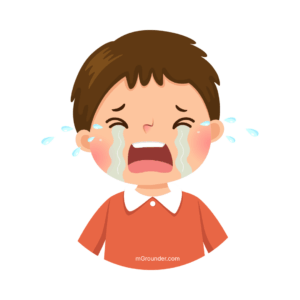
You lift them toward the seat. Their back arches. Their legs stiffen. Their arms reach for you.
You know the seat keeps them safe. You also know that forcing a stiff little body into straps feels awful.
Most car seat fights are not about the seat alone.
They are about being strapped in, held still, and moved along on someone else’s timetable.
A routine helps because it removes the surprise. When the steps stay the same, the child knows what comes next.
The routine below is short enough to use in rain, in a rush, and on a tired evening.
The words to use before you lift them in
Start the words before you reach the car. A warning gives the body time to get ready.
We are going in the car now. First shoes off, then up, then buckle, then song.
Do you want to climb in yourself, or shall I lift you?
You can hold the buckle while I click it. You are the helper today.
Keep the same words each trip. The sameness is what makes them work.
If they say no, stay with the plan and stay kind. I hear you. We still need the seat to go.
Do not turn the seat into a bargain.
One more minute of play for a quick buckle often makes the next trip harder.
Do not ask, “Do you want the car seat?” as if it is a choice.
The seat is not a choice, but how they get in can be.
Offer a real choice inside the routine. Red book or blue book for the ride?
A choice gives a little control back. Control is often what the fight is really about.
The four step routine
Step one is the same spot each time. Pause at the open door and take one breath together.
We stop here. We look inside. We climb in.
Step two is the climb. Let them climb when they can, even if it is slower.
Climbing in feels very different from being placed in.
Up you go. Feet on the seat. Bottom down.
Step three is the buckle. Make it quick, calm, and a little bit playful.
Click one, click two. All snug.
Step four is the settle. Hand them the chosen book or toy, then start the same song or sound.
Here is your book. Now our car song.
Keep the order fixed for a week.
Do not change the song, the book spot, or the words while they are still learning the pattern.
When the routine is steady, the body starts to settle before the buckle. That is the moment the fight begins to fade.
When they arch, scream, or go stiff
Some days the routine will not be enough. The body goes rigid, the voice gets loud, and the straps feel impossible.
Pause. Do not wrestle the straps while they are screaming. A forced buckle can make the next ride harder.
Hold them close for a moment, outside the seat. I see this is hard today. We will wait a little.
Wait until the body softens a touch. Then try the climb again, with the same short words.
Let us try again. Feet on the seat. Bottom down.
If they are still rigid, sit in the back with them for a minute. Read the book first, then buckle.
We will read one page, then buckle. One page, then click.
Once the straps are on, do not keep talking about the fight. Move to the song, the book, or the window.
Look, a red bus. Can you see the bus?
A new focus helps the body let go of the struggle. It is not a distraction trick. It is a way forward.
Making the seat feel less awful
Check the fit before the next trip, when no one is in a rush.
A strap that digs in can turn a small protest into a big one.
Make sure the chest clip sits at chest level. Make sure the straps are snug, not pinching.
Keep a special car toy that stays in the car.
A toy that only appears for rides can make the seat feel more inviting.
This one lives in the car. It waits for you here.
Keep the car cool and the ride short when you can.
Heat and a long wait make a strapped in body feel trapped.
Sing the same song for the first minute of every ride.
A familiar song can settle a child faster than a new toy.
Let them hold something of yours if it helps.
A set of keys to hold, a soft scarf to rub, a photo to look at.
Do not remove the seat or loosen the straps to end the fight. Safety stays, even on the hardest day.
That limit is worth holding kindly. The seat keeps you safe. I will help you sit in it.
What to do on the days it still goes wrong
Some trips will still end in tears. That does not mean the routine has failed.
It means the day was hard, the nap was short, or the change came too fast.
After the ride, keep the talk short. The car seat was hard today. Tomorrow we will try the same steps.
Do not lecture in the car park. Do not replay the scream in detail.
If you lost your temper, own it in plain words later.
I got loud in the car. I am sorry. I will use a quiet voice next time.
That repair matters. It shows that grown ups can lose their calm and find it again.
On a calm evening, practise the climb at home.
Let them sit in the seat on the driveway, buckle and unbuckle, and climb out again.
No trip today. Just practise. You can click it yourself.
Practise without pressure helps the real trip feel less strange.
It lets the body learn the steps when no one is in a hurry.
Ask the other parent to use the same four steps. The same words in both cars make the pattern stronger.
We stop here. We look inside. We climb in. That line stays the same, whoever is driving.
Keep the routine the same, keep your voice low, and keep the seat non negotiable.
In time, the climb becomes the habit, and the fight loses its place.