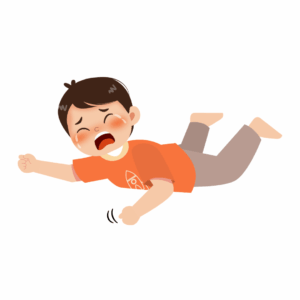
There are few parenting moments more overwhelming than watching your toddler cry uncontrollably while insisting nothing is wrong, or simply being unable to explain what they need. You offer water. They say no. You suggest a snack. Another no. You pick them up, and they push you away. A minute later, they want to be held.
If you’ve ever found yourself wondering, “Why is my toddler crying for no reason?” you’re not alone.
The truth is that toddlers almost always have a reason for crying. The challenge is that they often don’t yet have the language, emotional awareness, or self-control to identify and communicate what they’re experiencing. What looks like “crying for no reason” is usually a sign that their brain and body are overwhelmed.
Instead of trying to stop the crying immediately, modern child development research encourages parents to focus first on co-regulation, helping a child borrow your calm until they can regain their own.
In this guide, you’ll learn why toddlers cry without explaining why, how co-regulation works, practical ways to uncover the real cause, and when persistent crying deserves medical attention.
Why Toddlers Cry Without Being Able to Explain
Toddlers experience emotions just as intensely as older children and adults. The difference is that the parts of the brain responsible for emotional regulation, impulse control, and verbal communication are still developing.
When a toddler becomes overwhelmed, their thinking brain temporarily takes a back seat while their emotional brain takes over. During these moments, asking questions like:
- “What’s wrong?”
- “Why are you crying?”
- “Use your words.”
may simply be beyond what they’re capable of doing.
Rather than assuming they’re being dramatic or manipulative, it helps to recognize that they’re struggling with a skill they haven’t fully developed yet.
That’s why your response matters so much.
What Is Co-Regulation?
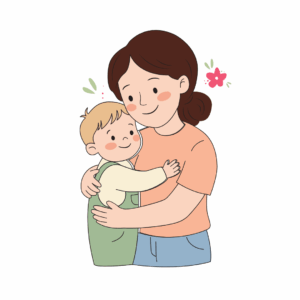
Co-regulation is the process of helping your child calm their nervous system by using your own calm presence.
Young children cannot consistently regulate overwhelming emotions on their own. Before they learn self-regulation, they first experience regulation through safe, responsive adults.
Think of yourself as your toddler’s emotional anchor.
When you stay calm, speak gently, and remain emotionally available, your child gradually begins matching your calmer state. Over time, repeated experiences like this help build their own ability to regulate emotions independently.
This doesn’t mean giving in to every demand or preventing every upset.
Instead, it means offering steady support while maintaining appropriate boundaries.
Common Reasons Your Toddler Is Crying
Sometimes the reason is obvious. Other times, it takes a little detective work.
1. Hunger or Thirst
A toddler who skipped lunch or only picked at dinner may suddenly become emotional over something that seems completely unrelated.
Before assuming it’s a behavioral issue, consider whether they may simply need food or fluids.
Signs include:
- Irritability before meals
- Crying that escalates quickly
- Refusing one snack but accepting another
- Calming shortly after eating
Small blood sugar drops can dramatically affect toddler moods.
2. Overtiredness
Sleep deprivation often shows up as emotional dysregulation rather than obvious sleepiness.
An overtired toddler may:
- Cry over tiny frustrations
- Become unusually clingy
- Refuse bedtime
- Alternate between hyperactivity and tears
Ironically, the more exhausted children become, the harder it can be for them to settle themselves.
3. Overstimulation
Busy stores, birthday parties, loud restaurants, crowded playgrounds, and even exciting family gatherings can overwhelm a toddler’s nervous system.
After too much sensory input, crying may be their body’s way of releasing stress.
Other clues include:
- Covering ears
- Hiding behind parents
- Becoming unusually sensitive to noises
- Meltdowns immediately after exciting events
4. Frustration
Toddlers constantly encounter situations where their abilities don’t match what they want to do.
Maybe the puzzle piece won’t fit.
Maybe the block tower keeps falling.
Maybe they can’t zip their jacket.
Frustration often leads to tears because their desire for independence exceeds their current developmental abilities.
5. Big Emotions They Can’t Name
Adults can usually identify feelings like disappointment, embarrassment, jealousy, loneliness, or anxiety.
Toddlers simply experience those feelings as overwhelming discomfort.
Instead of saying:
“I’m disappointed because playtime ended.”
they cry.
Instead of saying:
“I’m nervous because we’re somewhere unfamiliar.”
they cling to you.
The crying is the communication.
6. Physical Discomfort
Sometimes the cause is surprisingly simple:
- Teething pain
- Constipation
- Growing pains
- Minor illness
- Tight clothing
- Feeling too hot or cold
If crying appears unusual or persistent, it’s worth considering whether your child may be physically uncomfortable.
How to Co-Regulate During a Crying Episode
Your goal isn’t to stop the crying immediately.
Your goal is to help your toddler feel safe enough for their nervous system to settle.
Stay Calm First
Children naturally look to caregivers for cues about whether a situation is safe.
If you become visibly frustrated, anxious, or angry, your toddler’s distress often increases.
Before responding, take one slow breath.
Lower your shoulders.
Relax your voice.
Even small changes in your body language communicate safety.
Get Down to Their Level
Standing over a crying toddler can unintentionally feel intimidating.
Instead:
- Kneel beside them.
- Keep your posture open.
- Make gentle eye contact if they’re receptive.
- Avoid forcing eye contact if they turn away.
Your physical presence matters just as much as your words.
Use Few Words
When emotions are high, toddlers process less language.
Instead of long explanations, try short phrases like:
- “I’m here.”
- “You’re safe.”
- “That was really upsetting.”
- “We’ll figure it out together.”
- “I’m staying with you.”
Simple language is easier for an overwhelmed brain to absorb.
Name Possible Feelings
If your child can’t identify their emotions yet, you can model emotional vocabulary without insisting you’re correct.
For example:
- “Maybe you’re frustrated.”
- “I wonder if that surprised you.”
- “It looks like you’re disappointed.”
- “Maybe that felt scary.”
Over time, children begin connecting words with internal experiences.
This becomes the foundation for future emotional regulation.
Offer Comfort Without Pressure
Some toddlers want hugs.
Others need a little physical space before reconnecting.
You might ask:
“Would you like a hug, or should I sit right here?”
Giving small choices restores a sense of control without overwhelming them.
Avoid Trying to Fix Everything Immediately
Parents naturally want to solve the problem quickly.
But jumping into solutions before emotions settle often backfires.
Instead of saying:
- “Stop crying.”
- “You’re fine.”
- “It’s not a big deal.”
try acknowledging the feeling first.
Children generally calm faster once they feel understood.
Becoming a Toddler Detective
Once your child’s crying begins to ease, you can gently explore possible causes.
Ask yourself:
- Did they eat recently?
- How much sleep did they get?
- Has today been unusually busy?
- Did a routine change?
- Are they getting sick?
- Were they told “no” just before crying?
- Did something disappoint them?
Patterns often emerge over time.
Many parents discover their toddler consistently struggles after skipped naps, long shopping trips, or transitions away from preferred activities.
Keeping a simple mental note of these situations can make future meltdowns easier to anticipate rather than simply react to.
Related:
- How to Stop My Toddler From Hitting (Without Yelling Back)
- My Toddler Refuses to Use Potty – Best Stress-Free Solutions
- The Public Meltdown: A Step-by-Step Guide for When Your Kid Loses It in Front of Everyone
How to Help Prevent Future Crying Episodes
While it’s impossible to prevent every meltdown, understanding your toddler’s triggers can reduce how often they become overwhelmed.
Stick to Predictable Routines
Toddlers thrive on consistency because it helps them feel secure.
Try to keep regular routines for:
- Meals and snacks
- Naps and bedtime
- Outdoor play
- Quiet time
- Transitions between activities
Even when life gets busy, maintaining a predictable rhythm can make emotional regulation easier.
Prepare for Transitions
Many toddlers struggle when switching from one activity to another.
Instead of suddenly announcing it’s time to leave the playground, give advance warnings.
For example:
- “Five more minutes, then we’re going home.”
- “After one more slide, it’s time for lunch.”
Using countdowns helps toddlers mentally prepare for change rather than feeling like fun was taken away unexpectedly.
Teach Feelings During Calm Moments
Emotional vocabulary is best taught when your child is already calm, not during a meltdown.
Throughout the day, label emotions naturally:
- “You look excited!”
- “That made you proud.”
- “You seem disappointed.”
- “I felt frustrated when I couldn’t find my keys.”
Books, pretend play, and conversations about characters’ feelings also help toddlers learn to recognize emotions in themselves.
Meet Basic Needs Before Problems Start
Many meltdowns happen when several small stressors build up at once.
Ask yourself regularly:
- Have they eaten recently?
- Are they getting enough sleep?
- Have they had active play today?
- Do they need some quiet time?
- Are they becoming overstimulated?
Addressing these needs early often prevents emotional overload later.
Model Healthy Emotional Regulation
Children learn far more from watching us than from listening to us.
When you feel frustrated, narrate your coping strategies:
- “I’m feeling frustrated, so I’m taking a deep breath.”
- “That surprised me. I need a moment.”
- “I’m going to calm my body before I solve this.”
These everyday examples teach toddlers that emotions are normal and manageable.
What Not to Do When Your Toddler Is Crying
Even with the best intentions, some responses can unintentionally make a difficult moment harder.
Avoid Saying “Stop Crying”
Your toddler isn’t choosing to feel overwhelmed.
Telling them to stop crying doesn’t teach emotional regulation, it simply communicates that their feelings are unacceptable.
Avoid Lengthy Lectures
During emotional distress, toddlers aren’t able to absorb complicated explanations.
Save teaching moments for after everyone has calmed down.
Avoid Punishing Big Emotions
There’s a difference between accepting feelings and accepting harmful behavior.
It’s okay to say:
“I won’t let you hit. I’m here to help you stay safe.”
This approach sets clear boundaries while still acknowledging your child’s emotions.
Avoid Assuming They’re Manipulating You
Toddlers may repeat behaviors that get attention, but that doesn’t mean they’re intentionally trying to control adults.
Most crying episodes reflect immature emotional regulation, not calculated manipulation.
Approaching your child with curiosity instead of suspicion creates opportunities for connection rather than power struggles.
After the Crying Stops
The moments after a meltdown are often where the greatest learning happens.
Once your toddler is calm, keep the conversation brief and supportive.
You might say:
- “That was really hard.”
- “You were so upset because playtime ended.”
- “Next time we’ll take some deep breaths together.”
- “I’m proud of you for calming your body.”
Avoid turning the discussion into a lecture.
Instead, help your child connect emotions, experiences, and coping skills in simple language.
Over time, these conversations strengthen emotional awareness and resilience.
When Crying May Be a Sign of Something More
Frequent crying is a normal part of toddlerhood, especially between ages 1 and 3.
However, persistent or unusual crying should be discussed with your child’s healthcare provider if it:
- Happens alongside fever or signs of illness.
- Appears to be caused by ongoing pain.
- Is accompanied by significant changes in eating or sleeping habits.
- Lasts for unusually long periods every day without improvement.
- Is associated with developmental concerns, such as limited communication or loss of previously acquired skills.
- Causes serious disruption to everyday family life despite consistent supportive strategies.
If your instincts tell you something isn’t right, it’s always appropriate to seek professional advice. Parents know their children best, and discussing concerns early can provide reassurance or identify issues that may need further evaluation.
Frequently Asked Questions
Is it normal for toddlers to cry every day?
Yes. Daily crying is common during toddlerhood because young children are still learning how to manage frustration, disappointment, excitement, fatigue, and other strong emotions.
Should I ignore my toddler’s crying?
If your toddler is safe, giving them a brief moment to process emotions can sometimes help. However, ignoring emotional distress completely isn’t recommended. Staying nearby and offering calm support teaches them that emotions are safe and manageable.
Can too much comforting spoil a toddler?
No. Comforting a distressed toddler doesn’t create dependency. Responding consistently to emotional needs helps build trust, emotional security, and eventually greater independence.
Why does my toddler cry more with me than with other people?
Children often save their biggest emotions for the people they trust most. Home is where they feel safest expressing feelings they’ve held together during childcare, preschool, or busy social situations.
The Bottom Line
When your toddler cries and can’t explain why, remember that they’re not giving you a puzzle to solve, they’re inviting you into a moment when they need support the most.
Rather than searching for the perfect words or rushing to stop the tears, focus on creating a sense of safety. Stay calm, offer connection, and remember that crying is often your child’s way of communicating needs they cannot yet put into words.
With time, patience, and consistent co-regulation, your toddler gradually learns one of life’s most important skills: how to recognize emotions, recover from overwhelming moments, and trust that someone is there to help.
There won’t be a perfect response every time, and that’s okay. What matters most isn’t eliminating every meltdown, it’s showing up with empathy, staying connected through the difficult moments, and helping your child build the emotional foundation they’ll rely on for years to come.