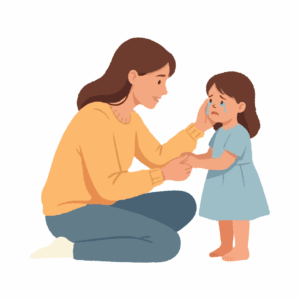
Few things are more frightening for a parent than hearing your toddler suddenly scream in the middle of the night.
You rush into their room expecting to comfort them, but instead of reaching for you, they may seem confused, terrified, or completely inconsolable. They might cry, scream, kick, push you away, or stare without seeming to recognize you.
You may wonder:
“Are they awake? Are they having a nightmare? Are they in pain?”
Sometimes nighttime screaming is simply part of normal childhood sleep. Other times, it can be related to nightmares, illness, discomfort, overtiredness, or a sleep disturbance such as a night terror.
Knowing what may be happening can make those frightening nighttime episodes a little easier to handle.
1. Your Toddler May Be Having a Night Terror
One of the most common explanations for a toddler who suddenly screams and seems impossible to comfort is a night terror.
During a night terror, a child may scream, cry, sit up, sweat, breathe heavily, kick, or look terrified while still being partly asleep.
The confusing part is that your toddler may appear awake even though they’re not fully awake.
They may not respond normally when you talk to them or try to comfort them. They may even push you away.
Night terrors typically occur during deeper non-REM sleep and are more common during the earlier part of the night. Children usually don’t remember the episode the next morning. (Medical News Today)
2. Nightmares Can Make Toddlers Wake Up Terrified
Nightmares are different from night terrors.
A toddler having a nightmare is generally more fully awake afterward. They may want to be held, cry for you, or seem frightened by something they dreamed about.
As toddlers develop more imagination and begin understanding scary ideas, nightmares can become more noticeable.
A frightening story, upsetting experience, new environment, or something they saw during the day may sometimes influence their dreams.
If your toddler wakes up, recognizes you, wants comfort, and gradually settles after being held or reassured, a nightmare may be more likely than a night terror.
3. Your Toddler May Be Overtired
It sounds strange, but being extremely tired doesn’t always mean a child will sleep peacefully.
When toddlers become overtired, settling and staying asleep can become more difficult.
A late bedtime, skipped nap, busy day, travel, or disrupted routine can all contribute to an unusually difficult night.
If nighttime screaming tends to happen after particularly exhausting days, take a closer look at your toddler’s overall sleep schedule.
A consistent bedtime and enough sleep may help reduce some sleep disturbances.
4. Illness or a Fever Can Disrupt Sleep
Sometimes the explanation isn’t psychological or developmental at all.
Your toddler may be uncomfortable.
Check for signs such as:
- Fever
- Congestion
- Cough
- Ear pain
- Vomiting
- Diarrhea
- Trouble breathing
- A sore throat
- Unusual lethargy
- Signs of physical pain
A child who is sick may wake more frequently and have difficulty settling back down.
If the screaming is unusual for your child and you suspect they’re sick or in pain, focus on the underlying issue rather than assuming it’s simply a sleep problem.
5. Teething or Other Physical Discomfort May Wake Them
Toddlers can wake because something hurts or feels uncomfortable.
Teething, a stuffy nose, an itchy rash, a wet diaper, feeling too hot or cold, or needing to use the bathroom can all interrupt sleep.
Your toddler may not have the words to tell you exactly what is wrong.
Instead, they may simply wake crying or screaming.
If the episodes started suddenly, consider whether anything about their physical comfort or health has changed.
6. Your Toddler May Be Going Through a Sleep Regression
Toddler sleep can temporarily change during periods of development.
A child who previously slept well may suddenly begin waking, resisting bedtime, or needing more reassurance.
Developmental changes, growing independence, separation anxiety, transitions such as moving to a toddler bed, and other changes can contribute to disrupted sleep. (Medical News Today)
These periods can be frustrating, but they don’t necessarily mean you’ve created a bad sleep habit.
Sometimes your toddler’s sleep simply becomes unsettled while they adjust to a new stage.
7. Separation Anxiety Can Show Up at Night
Toddlers are becoming increasingly independent while still needing a great deal of reassurance.
That combination can make nighttime challenging.
Your child may be perfectly happy playing independently during the day but become distressed when they wake up and discover you’re not nearby.
They may scream:
“Mommy!”
or
“Daddy!”
and become increasingly upset when you don’t immediately appear.
A predictable bedtime routine and a consistent response can help your child feel secure.
8. Changes at Home Can Affect Your Toddler’s Sleep
Toddlers are sensitive to changes in their environment.
Maybe you’ve moved.
A new sibling arrived.
They started daycare.
They’re sleeping in a new room.
A parent has begun traveling for work.
You’re potty training.
They’re transitioning from a crib to a toddler bed.
Even positive changes can temporarily disrupt sleep.
If the nighttime screaming started around the same time as a major change, that connection may be worth considering.
9. Stress and Big Emotions Can Come Out at Night
Toddlers experience strong emotions but don’t yet have the ability to regulate them like adults.
A child may have a difficult day and appear fine afterward.
Then, during the night, they become unsettled.
This doesn’t necessarily mean they’re consciously processing a specific event in their sleep.
It simply means their developing nervous system is dealing with a lot of change, emotion, and stimulation.
Keeping evenings predictable and calm can help.
10. What Should You Do When Your Toddler Wakes Screaming?
Your first instinct may be to immediately pick them up and try to wake them completely.
But if you’re dealing with a night terror, aggressively trying to wake your child can sometimes make the episode more confusing or distressing.
Instead, stay calm.
Keep your child safe.
Speak softly.
Stay nearby.
If they seem fully awake and frightened, offer reassurance and comfort.
If they appear confused, glassy-eyed, or don’t seem to recognize you, avoid forcing them awake.
Night-terror guidance generally recommends staying with the child and protecting them from injury rather than trying to wake them.
11. Don’t Turn on Every Light or Start a Conversation
When your toddler is screaming, it can be tempting to turn on all the lights and start asking questions.
“What’s wrong?”
“Did you have a bad dream?”
“Are you hurt?”
“Why are you crying?”
If they’re not fully awake, this may not help.
Keep the environment calm and quiet.
If they are awake and asking for reassurance, respond to what they’re communicating.
The less stimulation you add, the easier it may be for them to settle back into sleep.
12. Make the Bedroom Safe
If your toddler is experiencing night terrors or sleepwalking-like behaviors, safety becomes especially important.
Make sure the room is free of obvious hazards.
Keep furniture secure.
Keep stairs and doors appropriately protected.
Remove objects they could trip over or hit.
If your toddler gets out of bed during episodes, take extra precautions to prevent falls or wandering.
The goal isn’t to stop the episode by force.
It’s to make sure your child can move through it safely.
13. Keep Bedtime Predictable
A simple bedtime routine can help your toddler understand that the day is winding down.
For example:
Bath → pajamas → brushing teeth → story → cuddles → bed
The exact routine doesn’t matter as much as consistency.
Keep the final part of the evening relatively calm.
Dim the lights.
Avoid highly stimulating play immediately before bed.
Try to keep bedtime around the same time each night.
A predictable routine can give your toddler a sense of security.
14. Make Sure Your Toddler Is Getting Enough Sleep
Lack of sleep can contribute to some nighttime disturbances.
Toddlers need substantial amounts of sleep over a 24-hour period, including naps depending on their age and individual needs.
Pay attention to signs that your child may be overtired during the day.
They may become unusually cranky.
They may have difficulty concentrating.
They may seem hyperactive.
They may fall asleep in the car unusually often.
If you’re unsure whether your toddler’s sleep schedule is appropriate, discuss it with their pediatrician.
15. Keep a Simple Sleep Log
If the screaming keeps happening, write down a few details.
Note:
- What time your toddler went to bed
- When the episode happened
- How long it lasted
- Whether they appeared awake
- Whether they responded to you
- Whether they seemed sick
- Whether they remembered it the next morning
- Whether anything unusual happened that day
Patterns can be surprisingly helpful.
For example, you might notice that episodes happen after skipped naps or always occur around the same time.
That information can also be useful if you eventually discuss the episodes with your child’s pediatrician.
16. Don’t Assume Every Nighttime Cry Is a Night Terror
It’s easy to see a screaming toddler and immediately think, “night terror.”
But nighttime crying has many possible explanations.
Your toddler could be:
- Having a nightmare
- Sick
- Uncomfortable
- Overtired
- Experiencing separation anxiety
- Going through a sleep regression
- Responding to a change in routine
- Having another sleep-related issue
The timing and behavior surrounding the episode can provide clues, but you don’t need to diagnose it yourself.
17. When Should You Call the Pediatrician?
Occasional nighttime screaming isn’t necessarily a reason for alarm.
However, talk with your child’s pediatrician if episodes are frequent, worsening, significantly disrupting sleep, causing injuries, or accompanied by other concerning symptoms.
It’s also worth discussing nighttime episodes if your child snores heavily, has pauses or difficulty breathing during sleep, seems unusually sleepy during the day, or has other persistent sleep problems.
Medical advice is particularly important if you suspect your child is experiencing pain or illness.
A pediatrician can help distinguish an ordinary developmental sleep issue from something that needs further evaluation.
18. Remember That Night Terrors Usually Don’t Mean Your Toddler Is Traumatized
A night terror can look incredibly frightening.
Your child’s eyes may be open.
They may scream.
They may appear terrified.
They may not respond to you.
But the appearance of the episode doesn’t necessarily mean your child is consciously experiencing a frightening dream or emotional trauma.
Night terrors occur during a different stage of sleep than nightmares, and children typically don’t remember them afterward. Most children eventually outgrow them.
That doesn’t make them less scary for you to watch.
It simply means the experience may be very different for your toddler than it appears from the outside.
What If Your Toddler Is Screaming Every Night?
If this is happening repeatedly, don’t just keep hoping it will disappear.
Start by looking for patterns.
Is bedtime too late?
Are naps changing?
Has something changed at home?
Is your toddler sick?
Are episodes happening at roughly the same time?
Does your child seem awake or asleep?
Do they remember the episode?
Then bring those observations to your pediatrician if the problem continues.
You don’t need to figure out the cause alone.
Final Thoughts
When your toddler wakes up screaming and inconsolable at night, it can be one of the most unsettling experiences of parenthood.
But there are several possible explanations, and many are temporary.
Night terrors, nightmares, overtiredness, illness, discomfort, developmental changes, separation anxiety, and sleep disruptions can all contribute to difficult nighttime awakenings.
The most helpful thing you can do in the moment is stay calm and focus on your child’s safety.
If they seem fully awake and frightened, comfort them.
If they appear to be experiencing a night terror and aren’t really awake, avoid forcing them awake and stay nearby until the episode passes.
And if the episodes are frequent, unusually intense, causing injury, or accompanied by other concerning symptoms, talk with your child’s pediatrician.
Most importantly, remember this:
A terrifying night doesn’t necessarily mean something is seriously wrong.
Sometimes your toddler’s developing brain is simply having a very rough transition between sleep and wakefulness, and they need you nearby while it passes.