Every parent has googled something at 2am.
The search is usually whispered over a sleeping baby, with one hand on the phone and the other on a tiny back.
Is this normal?
That question sits underneath almost everything in the first few years, and it is a good question to ask.
This article gathers the facts that come up again and again in those early years, the ones about first steps and first words, about sleep and feeding, about play and growing independence.
It is simply a clearer picture of what typically happens, when it typically happens, and why the range matters more than any single date.
Start with the milestone that is on your mind today.
Milestones are ranges, not deadlines
A first step at eleven months and a first step at fourteen months are both ordinary.
The typical window for walking sits around the first birthday, but healthy children land all over it, and some take a little longer without anything being wrong.
The same is true of first words, which often arrive around twelve months as a single meaningful sound, a name, or a simple word used on purpose.
Teeth follow a similar pattern, with the first tooth often appearing around six months, sometimes earlier, sometimes months later.
What matters is progress over time, not a single date circled on a calendar.
A child who is babbling more, moving more, and engaging more is moving forward, even if milestones arrive in a different order from a cousin or a neighbour.
Sleep and feeding basics
Newborn sleep looks nothing like adult sleep, and that is one of the first surprises of parenthood.
A newborn typically sleeps fourteen to seventeen hours in a full day, but those hours arrive in short bursts, day and night, with no respect for anyone’s bedtime.
Safe sleep guidance is beautifully simple, because babies sleep safest on their backs, on a firm surface, with nothing loose around them.
Feeding has its own rhythm, and exclusive breastfeeding for the first six months is recommended, which means milk and nothing else, no water, no juice, no early solids.
When solids do begin, single ingredient purees are a gentle start, because they let you watch for reactions and let your baby learn one flavour at a time.
Honey is not for babies under one year, and cow’s milk is not a replacement for breast milk or formula in that first year either.
Play and learning
Play is how a small child does their serious work.
A toddler playing beside another child, rather than with them, is not being antisocial, because parallel play around the age of two is a normal stage of social development.
Mirror recognition often arrives around eighteen months, and it is a small moment with a big meaning, because it signals a growing sense of self.
Talking to toddlers matters enormously, and not because you need to teach them words like a lesson.
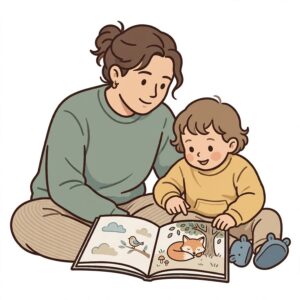
It matters because everyday talk, naming the banana, describing the rain, narrating the walk to the park, builds the language they will use for the rest of their lives.
Routines help too, because a steady day gives a small child a sense of safety, and safety is what lets curiosity grow.
If bedtime feels like a nightly negotiation, a calmer toddler routine can make evenings easier for everyone.
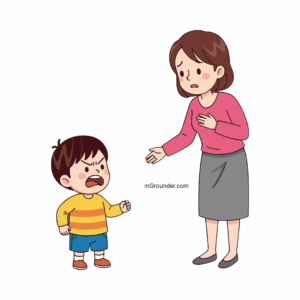
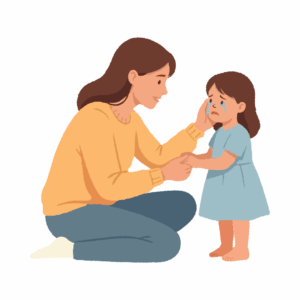
When big feelings arrive, and they will, a gentle approach to positive discipline for toddlers keeps boundaries firm without turning the house into a battleground.
When to ask a professional
Knowing the typical ranges helps you notice when something is worth a conversation, not a panic.
A professional is the right person to ask if your child seems to lose skills they once had, if they are not engaging or responding in the ways they used to, or if your worry is growing rather than settling.
It is also worth asking about vitamin D, because babies are often given vitamin D drops to help build strong bones, and your own health visitor or doctor can advise on what suits your child.
If feeding, sleep, or development feels hard for a long stretch, support is available, and asking for it is a sign of good parenting, not a failure.
Children need present parents, patient ones, and ones willing to learn alongside them, and you can read more about how to raise resilient children when you have a quiet moment.
Frequently asked questions
When should I worry about a milestone?
Worry less about a single date, and more about the overall pattern.
A child who is steadily gaining skills, communicating more, and moving more is usually on track, even if one milestone arrives later than a chart suggests.
How can I help my toddler learn to talk?
Talk about what you are doing, all day, in short, warm, everyday sentences.
Read together, sing together, and leave pauses so your child can try to answer, and see talking to toddlers for more everyday chat ideas.
What if my child develops differently from other children?
Children develop on their own timelines, and different is not the same as wrong.
Compare your child with their own past self, not with the fastest child in the room, and celebrate the gains you can see.