You are standing at the nursery gate with a child wrapped around your leg.
The teacher is smiling and holding out a hand.
Your child is crying, “Don’t go, don’t go,” and every part of you wants to stay for just five more minutes.
You also know that five more minutes usually turns into fifteen, and the leaving still hurts just as much at the end of it.
So you hover, you promise one more hug, you walk to the car, and you spend the drive to work replaying the crying face in the rearview mirror.
Was that face telling you to stay?
Was it telling you nursery is wrong for your child?
Or was it telling you something smaller and kinder, something you could answer tomorrow morning without changing your whole life?
What are those tears really saying, and what do they need from you?
You need an answer you can trust tomorrow morning.
Goodbye Is a Promise, Not a Disappearance
Here is the reframe, and it has a name: the promise rule.
For a young child, you leaving is not a small event.
You are their food, their comfort, their way of understanding what happens next.
When you disappear through a door, they cannot yet hold a clear picture of you in their mind all day and feel calm about it.
They know you are gone.
They do not yet fully trust that gone means coming back.
That is why a child can be perfectly happy playing at home with you in the next room, and fall apart the moment you hand them to someone else at a gate.
The tears are not a verdict on nursery.
They are not a verdict on you.
They are fear of disconnection, plain and simple, and fear of disconnection is answered by a promise that keeps coming true.
Not a longer goodbye.
Not a cleverer distraction.
A short promise, kept in exactly the same way, every single day, until your child can trust it with their body as well as their ears.
Your child does not need you to make the sadness disappear.
Your child needs you to make the leaving predictable enough that they can be sad and safe at the same time.
Say the Morning Out Loud Before You Reach the Gate
The goodbye starts before the gate.
A rushed, silent car ride followed by a sudden handoff feels very different from a morning where your child has heard the plan twice before you arrive.
On the way, say the plan out loud in plain words.
“First we will hang up your coat. Then we will do our hug and our sentence. Then Miss Sara will help you find the blocks. I will pick you up after snack time.”
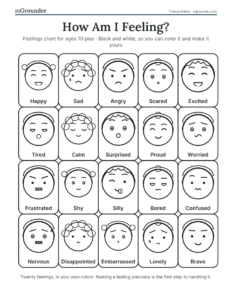
Name the feeling without trying to fix it on the spot.
“You feel sad when I go. It is okay to feel sad. Sad does not mean something bad will happen.”
“If you cry, we won’t come back tomorrow,” turns nursery into a punishment, and a promised toy turns bravery into a transaction.
Neither helps the next morning.
A calmer preview sounds like this.
“You might cry, and that is okay. Your teacher will sit with you until you feel better. I will come back after snack time, just like yesterday.”
If your child asks the same question every morning, answer it the same way every morning.
“Will you come back?” deserves the same steady answer every time: “Yes. I always come back after snack time.”
Repetition is how a young mind checks that the answer is still true today.
The calmer the hour before drop-off, the less the goodbye has to carry on its own, and small daily routines toddlers love can steady that hour without adding anything new to your morning.
Four Small Steps, the Same Every Day
Children calm down when they can predict what happens next.
A goodbye ritual works because it turns a frightening unknown into a short sequence they already know by heart.
Four steps, short, warm, and identical every single day, no matter who does drop-off and no matter how rushed the morning feels.
Pick steps your child can count on their fingers: shoes off at the cubby, one hug, one kiss on the forehead, one sentence, then the handoff.
Say the same sentence every day, in the same tone, even when your child is crying.
“I love you. I will pick you up after snack time. See you then.”
One sentence, said the same way every morning.
It names the love, it names the return, and it names a moment in your child’s day rather than a clock time they cannot yet read.
“After snack time” means something to a nursery child.
“At four o’clock” does not.
Practise the ritual at home when nobody is upset.
Walk to the front door, do the hug and the sentence, step outside for ten seconds, and come back smiling.
Then do it for thirty seconds, then for a minute.
A goodbye ritual is simply one more rhythm in that day, and toddler routines that say you are safe work best when the rest of the morning is steady too.
The Handoff That Ends Cleanly
When you reach the teacher, do your ritual, hand your child over with a smile, and go.
You crouch down, you do the hug and the kiss, you say your sentence, you pass your child gently to the teacher, you wave once, and you walk away without looking back over your shoulder five times.
A child reads your face for danger.
A short goodbye is not a cold goodbye.
It is a clear one.
Clear is kind when a child is already overwhelmed.
Never sneak away while your child is distracted.
It feels kinder in the moment, because you avoid the tears, but it teaches a frightening lesson: the person I love can vanish without warning.
The next time, your child will cling harder and watch you more closely, because they have learned that you might disappear at any second.
A tearful goodbye that ends with a promised return builds more trust than a tear free morning built on a disappearance.
Once you have left, stay left.
Going back in to check, or hovering outside the window where your child can see you, restarts the whole separation.
The Crying You See and the Calm You Miss
It helps to separate two things that look alike at the gate.
The first is protest: loud crying, clinging, and calling for you as you leave.
Protest is communication, not failure.
The second is how long it takes your child to recover once you have gone.
That gap between the crying you see and the calm you do not see is where most of the parental guilt lives.
You leave picturing tears.
The teacher, an hour later, is picturing your child building a tower.
A loud goodbye ends in play, eating, and chatter within minutes.
A bad day stays unsettled for most of the session, with little play, little food, and a child who cannot be comforted.
A loud goodbye needs a steady ritual.
A bad day needs a closer look.
“She settled with the puzzle table,” tells you more than an hour of imagining the worst from the car park, and it is much harder for guilt to argue with than a general, “She was fine.”
That return of tears does not mean you have gone backwards.
It means something in their world changed, and they are checking again whether the old safety still holds.
Younger children feel this mostly in their bodies, through clinging and reaching.
Older children may hide it behind stomach aches, dawdling, or lost shoes.
The answer stays the same: the same short goodbye, the same sentence, the same return.
What Your Guilt Is Trying to Do at the Gate
Guilt at drop-off is not a sign that you are doing something wrong.
It is a sign that you love your child and that walking away from a crying child goes against every instinct you have.
The trouble starts when guilt drives the goodbye.
A guilty parent lingers, promises extra treats, apologises repeatedly, or returns for one more hug, and the child reads all of that as evidence that something truly bad is happening.
Your child needs your calm more than your apology.
Here is one small tool that helps: the ten minute update.
Agree it in advance, one short message from the teacher ten minutes after drop-off, saying what your child settled into, and nothing else to chase or check until pickup.
“A good parent would stay,” is not a fact.
It is guilt talking.
A steadier thought is, “A good parent can leave kindly and come back reliably.”
If tears at the gate sit inside a wider pattern of worry at home, how children act when they do not feel safe emotionally can help you read what the behaviour is pointing at.
The Longer You Stay, the Harder It Gets
Some reactions feel protective while quietly making the plan harder.
Do not sneak away while your child is playing.
It avoids one cry and buys many harder mornings, because your child learns to guard you constantly.
Do not lengthen the goodbye every time the crying gets louder.
A longer goodbye teaches your child that crying longer changes the plan, so the crying lasts longer next time.
Do not scold the tears or call your child a big baby.
Shame does not make separation easier.
It makes your child hide the feeling and still feel it.
Do not promise you will stay, or that you will come back early, when you know you cannot.
A broken promise at pickup damages the very trust the ritual is trying to build.
Do not let guilt talk you into skipping nursery for a week.
A break resets the adjustment and makes the next first day feel like the very first day again.
Now the objection you are already thinking.
“But won’t a short goodbye feel cold to my child?”
It feels cold to you, in the moment, because you are the one walking away.
To your child, a short goodbye feels clear, and clear feels safe, because they know exactly what happens, in what order, and when you will be back.
What feels cold is not brevity.
What feels cold is vanishing, or a goodbye that changes every day, so your child never knows which version they will get.
Warmth lives in the hug, the kiss, the sentence, and the return.
It does not need extra minutes to prove itself.
If Four Weeks Pass and Nothing Softens
Most drop-off crying eases noticeably within the first few weeks as the ritual, the teacher, and the room become familiar.
Crying may still happen on Mondays or after holidays, but the pattern should be shorter crying, faster settling, and happier reports from the teacher.
Here is the boundary.
If, after about four weeks of a consistent ritual, your child is still crying for most of the session, it is time to look closer.
The same applies if they are refusing food or play, becoming withdrawn, or dreading nursery the night before with stomach aches or sleeplessness.
Waiting longer is not the answer.
Naming the bigger change at home, in simple words, often helps more than rehearsing the goodbye again.
“Your baby brother came, and our mornings changed. I still love you the same, and I still come back after snack time,” connects the feeling to its real cause.
If the distress stays intense despite a steady ritual and a calm home routine, talk with your child’s doctor or a child health professional about what else might be going on.
Asking for that conversation is not a sign that you have failed.
It is the same care you would show for a cough that did not clear in four weeks.
If tears come with a wider pattern of worry at home, and your child cannot yet explain what is wrong, scripts for toddler crying when they will not say why offer calm words for those moments.
Hold These Four Steps in Mind
When the gate is in front of you, and your stomach tightens, hold these four steps in mind.
First, say the plan out loud on the way, so your child can rehearse it instead of being surprised by it.
Second, do the ritual in the same order, every time: shoes off, hug, kiss, sentence, handoff.
Third, wave once, walk away, and stay left, without sneaking, lingering, or looking back five times.
Fourth, wait for the ten minute update, and let one specific happy detail replace the crying face you are carrying in your head.
That is the whole goodbye, held in four moves.
Say the plan, do the ritual, leave cleanly, trust the update.
Nothing new to learn, just four moves to carry in your head on the walk to the gate.
Say them to yourself on the drive to nursery, so they are there before the gate is.
Hold them close, and let them steady you.
Tonight, Practise the Goodbye When Nobody Is Crying
You do not need to fix this tomorrow morning.
You need one small rehearsal tonight, when nobody is upset.
Walk to the front door together, do the hug and the kiss, say the sentence in your ordinary voice, step outside for ten seconds, and come back smiling.
That is the next move, and it is small on purpose.
Your child does not need a tear free goodbye.
They need a goodbye they can predict, a parent who leaves kindly and returns reliably, and a teacher who welcomes the sadness without fear.
Give them the same hug, the same words, and the same return, day after day, and the gate will slowly stop feeling like a cliff edge.
One morning, perhaps without you noticing the exact day it changed, your child will do the hug, say the sentence with you, turn to the blocks, and wave.
The sadness may still visit on Mondays and after holidays.
That is not failure.
That is a child who loves you, misses you, and trusts that you will come back.
That trust, built one short goodbye at a time, is the whole point.